Push/Pull/Legs (PPL): Structuring 3-Day, 4-Day, 5-Day, and 6-Day PPL Routines
A push pull legs PPL routine works on 3, 4, 5 or 6 days. See full templates, set counts and when 6 days on, 1 off is too much, with every study linked.

TL;DR. The short answer
- A push pull legs PPL routine can run on 3, 4, 5 or 6 days a week. The best version is the one you can repeat every week without your lifts or sleep sliding.
- Meta-analytic evidence suggests that when weekly hard sets per muscle are equal, training a muscle once, twice or three times a week gives similar muscle growth. So 6 days is not required.
- A 3-day PPL hits each muscle once a week, a 4-day rolling PPL about 1.3 times, and 5-day (PPL plus Upper and Lower) or 6-day PPL hit each muscle twice.
- No trial has tested '6 days on, 1 day off' for burnout in natural lifters, so the risk is a coaching judgment, not a proven fact. Plan a deload and drop to 5 days if recovery slips.
- Start with about 10 hard sets per muscle per week and add sets slowly. Dose-response data show more volume helps, with diminishing returns.
Part of our complete guide: Best Workout Split for Muscle Growth: PPL vs Upper/Lower vs Full Body, What the Research Says
Table of contents
A push pull legs PPL routine works on 3, 4, 5 or 6 days a week, and the version that wins is the one you can repeat for months without your lifts or sleep falling apart. Six days is the version everyone copies from Instagram. For most natural lifters, 4 or 5 days gives you the same muscle-building signal with far less grind.
This guide is the full PPL manual that sits under our workout splits and session architecture guide. We will cover how to group muscles, how each schedule changes how often you train a muscle, templates you can copy, and what the research says about whether 6 days on, 1 day off is a burnout trap. If you are still choosing between split types, our comparison of full body, upper/lower and PPL is the place to start.
What is a push pull legs routine, and how do you group the muscles?
PPL groups muscles by what they do together. Synergists share a day, so you are not hammering the same triceps in a pull session or the same biceps before a heavy push.
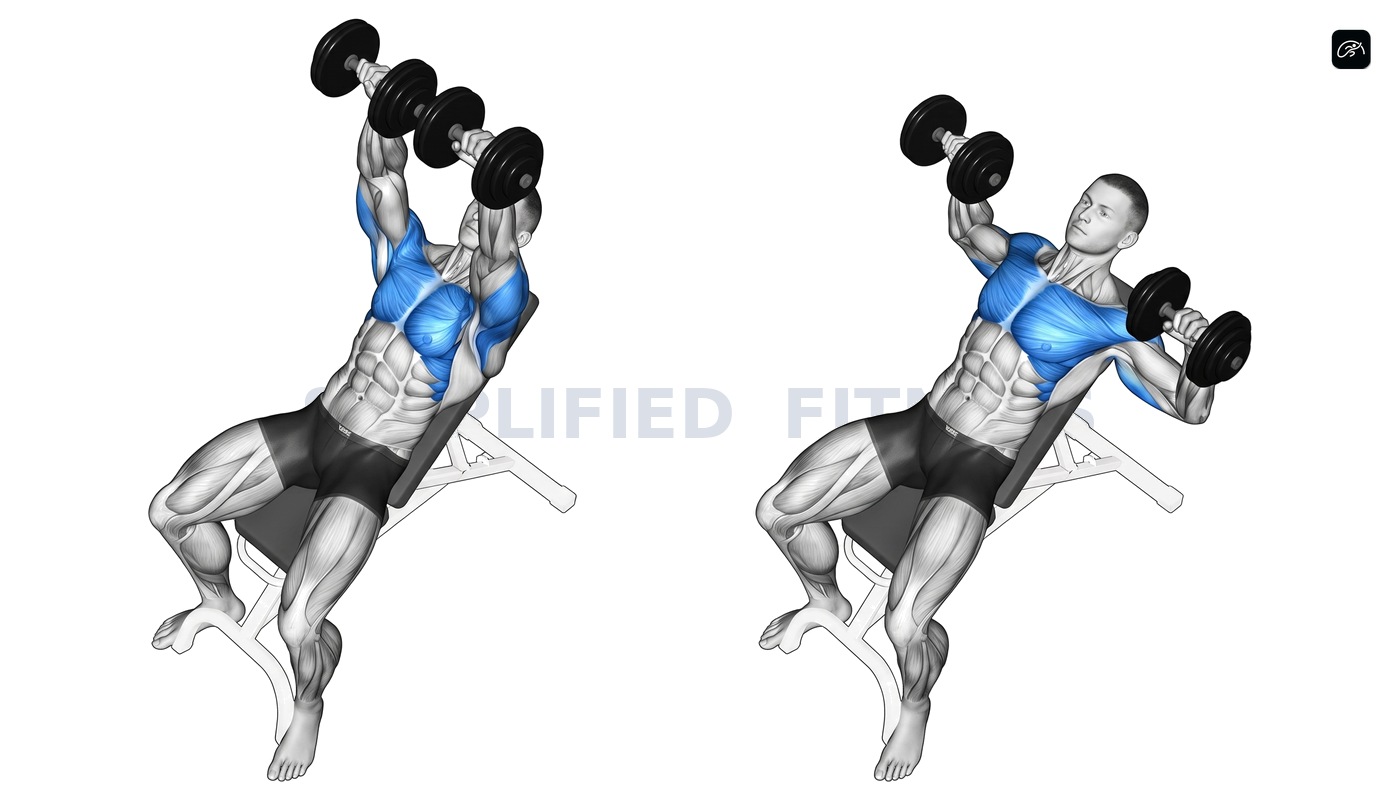
- Push: chest, front and side delts, triceps.
- Pull: lats and upper back, rear delts, biceps, forearms.
- Legs: quads, hamstrings, glutes, calves (abs fit here or at the end of any day).
The logic is simple. Pressing exercises use the triceps and front delts as helpers, rows and pulldowns use the biceps as helpers, and squats and hinges share hips and legs. Grouping them means one muscle gets hard work on one day and then a couple of days of relative rest before it is a prime mover again.
That is the whole appeal of PPL. The catch is the schedule you wrap around it, and that is where most people go wrong.
3-day vs 6-day PPL: what changes?
The only real difference is how many times per week each muscle is trained. Here is the arithmetic for each version.
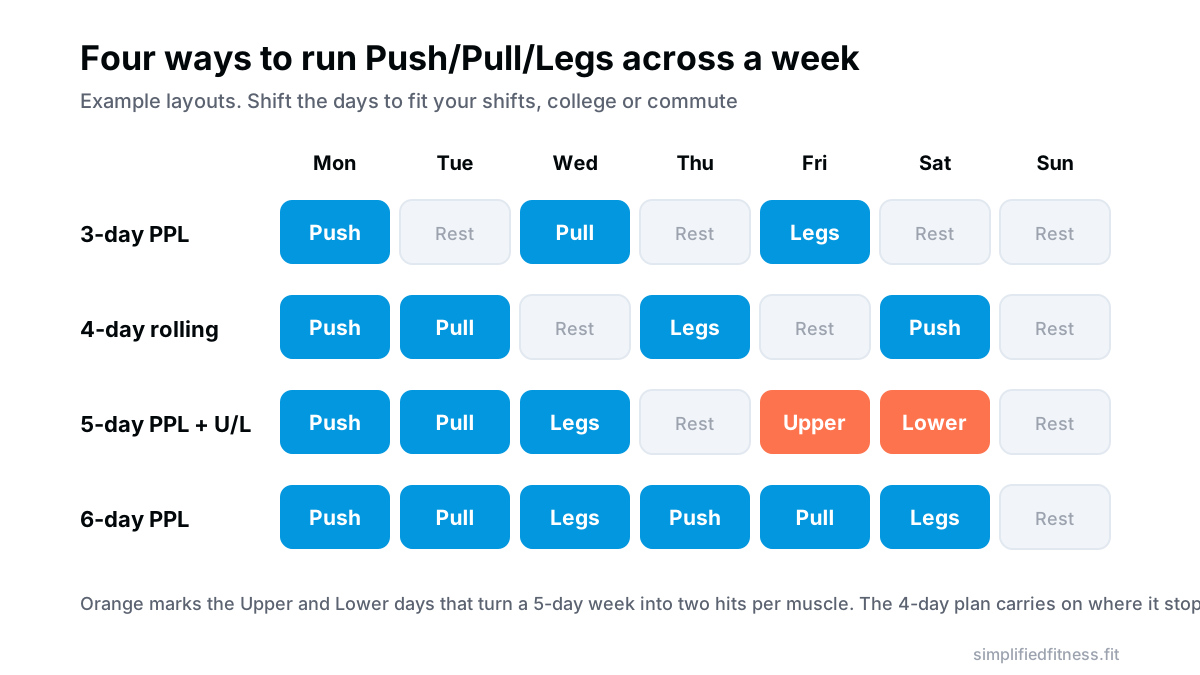
| Version | Sessions per week | Times each muscle is trained | Best for |
|---|---|---|---|
| 3-day PPL | 3 | 1x | Very busy weeks, beginners, sticking to a minimum |
| 4-day rolling PPL | 4 | about 1.3x | Shift workers, irregular schedules |
| 5-day PPL + Upper/Lower | 5 | 2x | Most intermediate lifters with 5 free days |
| 6-day PPL | 6 | 2x | Lifters with good recovery who like frequent gym time |
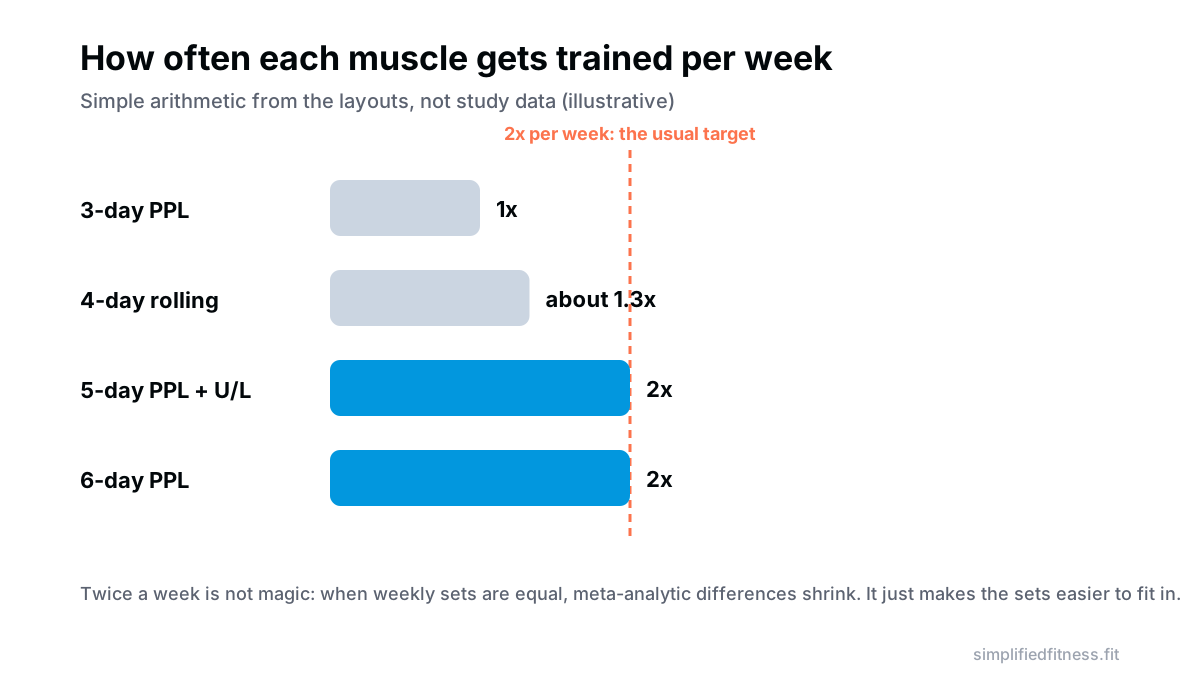
Does training a muscle twice a week actually matter?
Less than gym culture claims. Two meta-analyses by the same group reached different conclusions, and the reason is worth understanding.
A 2016 meta-analysis of 10 studies found that when comparing 1 to 3 days per week on a volume-equated basis, training a muscle group twice a week gave a larger hypertrophy effect than once a week (effect size 0.49 versus 0.30). The authors concluded major muscle groups should be trained at least twice a week, while noting that three times versus twice remained unresolved (Schoenfeld et al., 2016).
A larger 2019 meta-analysis of 25 studies then found no significant difference between higher and lower frequency when volume was equated, including in resistance-trained people. The authors concluded that for a given weekly volume, people can pick a frequency based on preference (Schoenfeld et al., 2019).
Why the disagreement? The 2016 review had only 10 studies to work with. The 2019 analysis had 25, and with that larger pool the volume-equated comparison no longer showed a meaningful frequency effect. The 2019 authors did find a modest edge for higher frequency in studies where volume was not equated, which suggests extra sessions help mainly by adding sets. A 2026 meta-regression of 67 studies adds nuance: its models suggested frequency had effects on hypertrophy that were compatible with negligible, while strength gains did rise with frequency, with diminishing returns (Pelland et al., 2026).
Is 6 days on, 1 day off a burnout trap?
The honest answer is: it might be for some people, but nobody has proven it.
Here is what the evidence does show. In a 6-week trial, 28 young resistance-trained men were randomised to train 3 or 6 days a week. Strength gains and fat-free mass gains were similar, with fat-free mass up 1.7 kg in the 3-day group and 2.6 kg in the 6-day group, and no significant group differences (Colquhoun et al., 2018). So six weekly sessions did not cause an obvious breakdown in that study.
Notice the limits, though. It lasted only 6 weeks, it used 28 men, and the researchers equated volume and intensity, meaning the 6-day group did smaller sessions. That is not how most people run a 6-day PPL, where each session is a full 18 to 24 sets.
So what is more likely to drive burnout? Probably not frequency on its own, but the total package: six days of high-volume work, most sets close to failure, a calorie deficit or a thin Indian vegetarian diet, 6 hours of sleep and a full-time job. Chronic fatigue then shows up as stalled lifts, achy elbows and knees, poor sleep and dreading the gym. Those are individual signals, not outcomes any trial has quantified for natural lifters on PPL.
Practical rule: if two weeks in a row your main lifts drop, you sleep worse or joints ache, move down one rung (6 to 5 days, or 5 to 4) before adding more work. The signs you need a deload checklist covers this in detail.
How many sets should a PPL week include?
Volume matters more than the split itself. A 2017 meta-analysis of 15 studies found a graded dose-response, where each additional weekly set was associated with a 0.37% bigger gain in muscle size, and higher versus lower volume groups differed by about 3.9% in percentage gain (Schoenfeld et al., 2017). The 2026 meta-regression also found that gains in size and strength increase with volume, but with diminishing returns, especially for strength (Pelland et al., 2026).
Those studies were mostly in young adults, many untrained, so treat the numbers as a direction, not a prescription. A practical starting range for most lifters is around 10 hard sets per muscle per week, close to 1-3 reps from failure, adding a couple of sets only if you keep progressing and recovering. Use the training volume calculator to add up your own week, and see weekly set volume and the hypertrophy curve for why more is not always better.
Template 1: 3-day PPL (Mon, Wed, Fri)
Each muscle is trained once, so each session needs enough work to count. This version suits beginners or anyone with a hard cap on time.
- Push: incline dumbbell press 3 sets, flat press 3, overhead press 3, lateral raise 3, triceps pushdown 3.
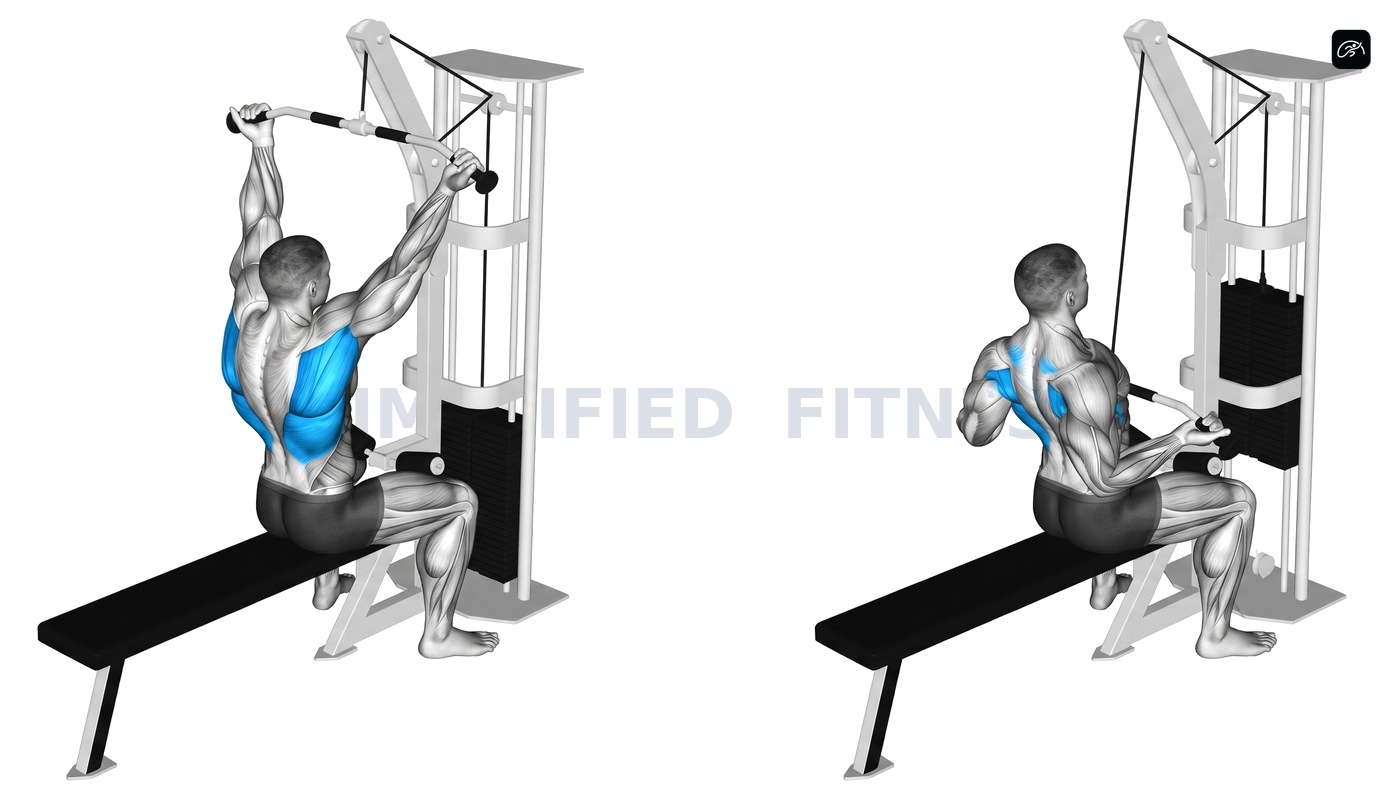
- Pull: wide-grip pulldown 3, seated row 3, rear delt fly 3, biceps curl 3, hammer curl 2.
- Legs: squat 4, Romanian deadlift 3, leg curl 3, leg extension 3, calf raise 3.
That is about 15 sets per session, which works out to roughly 3-7 direct sets per muscle per week, plus indirect work from the compound lifts. That sits below the 10-set starting point above, so add a set or two per exercise once the sessions feel manageable. If you can only train 3 days and want each muscle twice, a full-body 3-day plan is usually the smarter choice than 3-day PPL.
Template 2: 4-day rolling PPL
Run Push, Pull, Legs, Push, then rest, and continue with Pull next week. You train 4 days and rotate through the cycle, so each muscle lands about 1.3 times a week. No session is tied to a weekday.
This is the most forgiving schedule if you work shifts or travel. Miss a day and you simply resume with the next session. The trade-off is that volume per muscle is moderate, so keep your sets honest and progress loads. Compare it with the cleaner twice-weekly structure in the 4-day upper/lower guide and the push/pull 4-day split with legs.
Template 3: 5-day PPL + Upper/Lower
This is my default recommendation for most intermediate lifters who can reach the gym 5 days. Run Push, Pull, Legs, rest, Upper, Lower, rest. Every muscle gets two exposures, and you get two full rest days.
| Day | Focus | Key lifts |
|---|---|---|
| Mon | Push | Heavier pressing, 6-10 reps |
| Tue | Pull | Heavier rows and pulldowns, 6-10 reps |
| Wed | Legs | Squat or leg press, hinge, curls |
| Thu | Rest | Walk, mobility |
| Fri | Upper | Lighter pressing and pulling, 10-15 reps, arms, delts |
| Sat | Lower | Hip thrust or deadlift pattern, calves, quads |
| Sun | Rest | Full recovery |
Use heavier work early in the week and higher reps on Upper and Lower days. That gives each muscle a variety of loading ranges without adding junk volume.
Template 4: 6-day PPL
Push, Pull, Legs, Push, Pull, Legs, then one rest day. Each muscle is trained twice, each session can be shorter and more focused, and you spread weekly volume over more days.
This is a good fit if you enjoy training, sleep well, eat enough protein and calories, and have a low-stress week. It is a poor fit if you are in a calorie deficit, working long hours or starting out. If you try it, cap each session at roughly 12-16 hard sets rather than 20+, and plan a lighter week every 4 to 8 weeks. Treat that deload timing as a rule of thumb, not a proven interval; see deload science for the reasoning.
Which version should you choose?
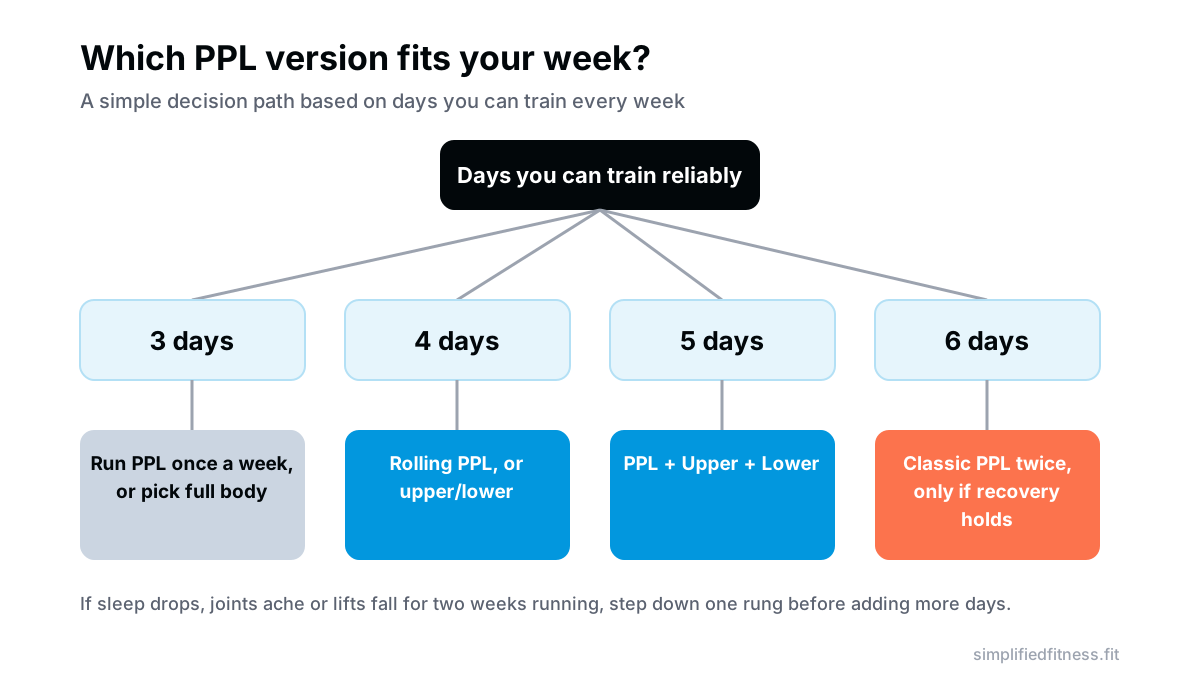
Does this mean 6 days is always worse? No. It means the choice should follow your life, not your ego. A split-versus-full-body trial in 67 untrained people found that training muscles twice a week in an A/B split and four times a week in a full-body routine produced similar strength and muscle thickness gains over 8 weeks when weekly set volume was equal (Evangelista et al., 2021). The participants were untrained, so it may not transfer fully to experienced lifters.
A simple way to decide:
- 3 free days: full body, or PPL once a week with solid session volume.
- 4 free days or unpredictable weeks: rolling PPL, or upper/lower.
- 5 free days: PPL + Upper/Lower.
- 6 free days and strong recovery: classic PPL, with a planned deload.
How to make PPL work on a budget and a vegetarian diet
You do not need expensive supplements to recover from PPL. Aim for a daily protein target from foods you already eat: dal, paneer, curd, soya chunks, eggs, milk and, if you like, a whey scoop. Use our protein calculator to get a number for your body weight, and spread it across 3 to 4 meals.
More days in the gym is more fuel, more sleep and more recovery demand. If your food budget or schedule is tight, a 4-day or 5-day PPL variation is a better investment than forcing 6 days on a thin diet.
How to start this week
- Count how many days you can train for the next 4 weeks without missing, and pick the matching template above.
- Use our free push day, pull day and leg day plans as your session templates.
- Log hard sets per muscle and aim to add a rep or a small load each week.
- Judge it after 4-6 weeks by your lifts, sleep and energy, not by how tired you feel.
A note on health: if you get persistent joint pain, dizziness, chest pain, unusual fatigue that does not lift with rest, or a sharp drop in performance with weight loss or mood changes, see a doctor rather than just trimming your split.
The bottom line
PPL is a flexible framework, not a six-day contract. A 3-day version trains each muscle once, a 4-day rolling version about 1.3 times, and the 5-day PPL + Upper/Lower or 6-day version twice. Current meta-analytic evidence suggests that, with weekly sets matched, muscle growth is similar across a wide range of frequencies, so the practical question is recovery and consistency. If you are unsure, start with the 5-day version, keep volume moderate, and only add the sixth day if you are recovering well.
Frequently Asked Questions
What is a push pull legs routine?
A push pull legs routine groups muscles by movement. Push covers chest, shoulders and triceps, pull covers back, rear delts and biceps, and legs covers quads, hamstrings, glutes and calves. Grouping synergists means the same muscles are not trained hard two days in a row, so you can choose 3 to 6 sessions a week.
Is a 6-day PPL too much for natural lifters?
It can be, but it depends on your volume, sleep, food and job. A 2018 trial in 28 trained men found 6 sessions a week gave similar strength and lean mass gains to 3 sessions when volume was equated, so frequency alone is not the problem. The risk comes from stacking high volume on 6 days with poor recovery, so use 5 days or add a deload if your lifts stall.
How many days a week should I do PPL?
For most people 5 days (PPL plus an Upper and a Lower day) or 4 days rolling is the best balance. Meta-analyses show similar growth across frequencies when weekly sets match, so pick the number of days you can attend consistently. If your schedule changes often, a 4-day rolling PPL is the most forgiving.
Can I do PPL 3 days a week?
Yes, running Push, Pull and Legs once each trains every muscle once a week. That works if each session carries enough hard sets, but a 2016 meta-analysis suggests twice a week is somewhat better when volume is equal. If you can only train 3 days, a full-body split often covers each muscle more than once.
What is a 4-day rolling PPL?
A rolling PPL cycles Push, Pull, Legs, Push, Pull, Legs without tying sessions to weekdays. You train 4 days a week and keep going where you left off, so each muscle is hit about 1.3 times a week. It suits shift workers and people who miss sessions, because a missed day just slides the cycle.
What is the PPL Upper Lower 5-day split?
It is Push, Pull, Legs, then an Upper day and a Lower day. Upper muscles are trained twice a week (Push or Pull plus Upper) and legs twice (Legs plus Lower). You get twice-weekly frequency with two full rest days instead of one.
How many sets per muscle per week on PPL?
A common starting point is about 10 hard sets per muscle per week, then adding sets gradually if you recover well. A 2017 meta-analysis found a graded dose-response where more weekly sets produced more growth, and a 2026 meta-regression found diminishing returns. Track your sets with the training volume calculator and add only when progress stalls.
Is PPL better than upper lower?
Neither is clearly better for muscle growth. Meta-analytic data show similar hypertrophy when weekly volume is matched, and a split-versus-full-body trial in untrained people found no group differences. Choose PPL if you like shorter, focused sessions and can train 5 to 6 days, and upper/lower if you can train only 4.
Should I train legs once or twice a week on PPL?
Twice is easier for most people because squats and hamstring work are tiring in one session. Splitting the weekly sets across two days lets you keep the quality of each set higher. A 5-day PPL with a Lower day or a 6-day PPL gives you that.
Where do I put shoulders and abs on PPL?
Front and side delts go on push day and rear delts on pull day, since they work alongside chest and back. Abs and calves can fit at the end of any session, usually legs day. If side delts lag, add a second lateral raise slot on your Upper or second push day.
Do I need a deload on a 6-day PPL?
Probably yes, especially for lifters who train close to failure. There is no single proven schedule, but a lighter week every 4 to 8 weeks, or sooner if performance and sleep drop, is a sensible rule of thumb. Cut sets by about half and keep loads moderate rather than stopping completely.
Can vegetarians in India run PPL?
Yes, as long as protein and calories are covered. Dal, paneer, curd, soya chunks, eggs and whey can reach your protein target across 3 to 4 meals. If you struggle to eat enough, choose the 4 or 5 day versions so each session gets properly recovered.
What if I miss a day on PPL?
Do not double up sessions. In a rolling PPL just do the missed session next and shift everything one day. In a fixed-day plan, skip the missed day if it is more than two days late and carry on with the next one.
Sources & References
Every claim above is checked against peer-reviewed research (PubMed, U.S. National Library of Medicine) or guidance from established health bodies. How we fact-check.
- Schoenfeld BJ, et al. Effects of Resistance Training Frequency on Measures of Muscle Hypertrophy: A Systematic Review and Meta-Analysis. Sports Med. 2016. PMID: 27102172
- Schoenfeld BJ, et al. How many times per week should a muscle be trained to maximize muscle hypertrophy? A systematic review and meta-analysis of studies examining the effects of resistance training frequency. J Sports Sci. 2019. PMID: 30558493
- Colquhoun RJ, et al. Training Volume, Not Frequency, Indicative of Maximal Strength Adaptations to Resistance Training. J Strength Cond Res. 2018. PMID: 29324578
- Evangelista AL, et al. Split or full-body workout routine: which is best to increase muscle strength and hypertrophy? Einstein (Sao Paulo). 2021. PMID: 34468591
- Schoenfeld BJ, et al. Dose-response relationship between weekly resistance training volume and increases in muscle mass: A systematic review and meta-analysis. J Sports Sci. 2017. PMID: 27433992
- Pelland JC, et al. The Resistance Training Dose Response: Meta-Regressions Exploring the Effects of Weekly Volume and Frequency on Muscle Hypertrophy and Strength Gains. Sports Med. 2026. PMID: 41343037

Umair Hazrami · Founder & Head Coach, Simplified Fitness
Umair Hazrami founded Simplified Fitness and the Simplified Lifter channel to cut through fitness noise. With 4+ years of consistent training and 10+ coaching clients, he writes every guide from the peer-reviewed research and links the sources so you can check them. Our editorial standards.
Educational content only, not medical advice. If you have a medical condition, are pregnant, or take medication, talk to a qualified doctor before changing your diet, supplements or training. Full disclaimer.
Keep reading

Programming
2-Day per Week Lifting Programs: Minimum Effective Dose for Busy Professionals
Can a 2 day a week workout routine hypertrophy goals support? Yes. Get a ready two-day full-body plan, the research behind it and how to run it in 60 minutes.
9 min read
Programming
30-Minute High-Density Hypertrophy Sessions: Micro-Workouts for Time-Constrained Lifters
Can a 30 minute workout for muscle growth work? See how paired sets, Myo-reps and machine setups fit 16 hard sets into half an hour, plus a 4-day plan.
10 min read
Programming
The 7-Minute Dynamic Warm-Up: A Fast Routine to Prep Joints Before Lifting
A dynamic warm up for lifting takes about 7 minutes, not 25. See the 2-3-2 routine, what the research says about stretching and foam rolling, and what to skip.
9 min read
Programming
Antagonist Paired Sets: Cut Workout Time by About 40% Without Losing Reps
Antagonist paired sets supersets time saving explained: pairing push and pull cuts a session by roughly 40% keeping reps. Pairings and rest times included.
8 min read