Free diet plan · Non-vegetarian
2,000 Calorie Indian Cutting Diet Plan
High protein, balanced carbohydrates and controlled calories to lose fat while keeping muscle and training performance. Four simple meals from everyday Indian food.
- Calories
- 1990 kcal
- Protein
- 146 g
- Carbs
- 219 g
- Fat
- 55 g
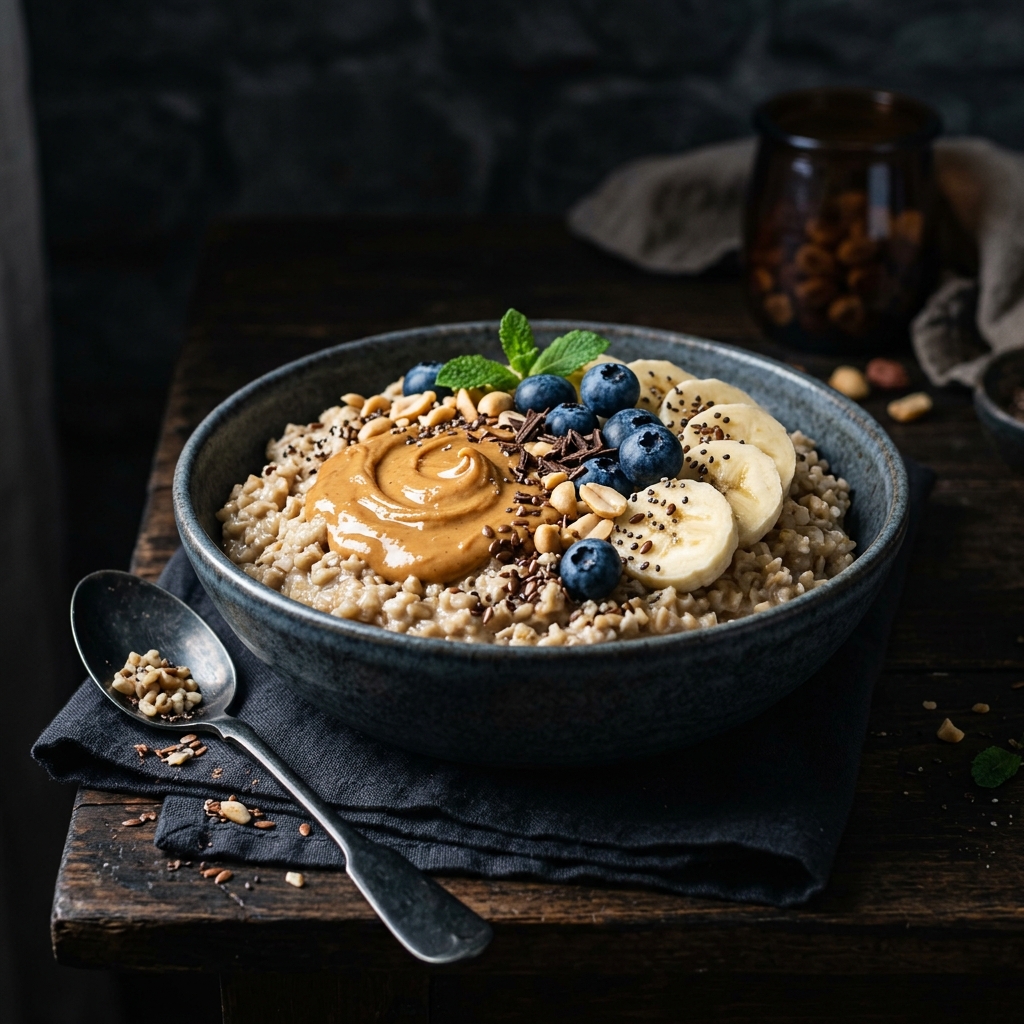
Breakfast
High-Protein Oats Bowl
580 kcal · 36 g protein · 44 g carbs · 29 g fat
- 60g Rolled Oats
- 4 Whole Eggs
- 10g Peanut Butter
Oats provide complex carbohydrates and beta-glucan fiber, which slows digestion and keeps you full through the morning. Eggs are a complete, high-bioavailability protein source. Peanut butter provides healthy unsaturated fats and micronutrients to support hormone function during a cut.
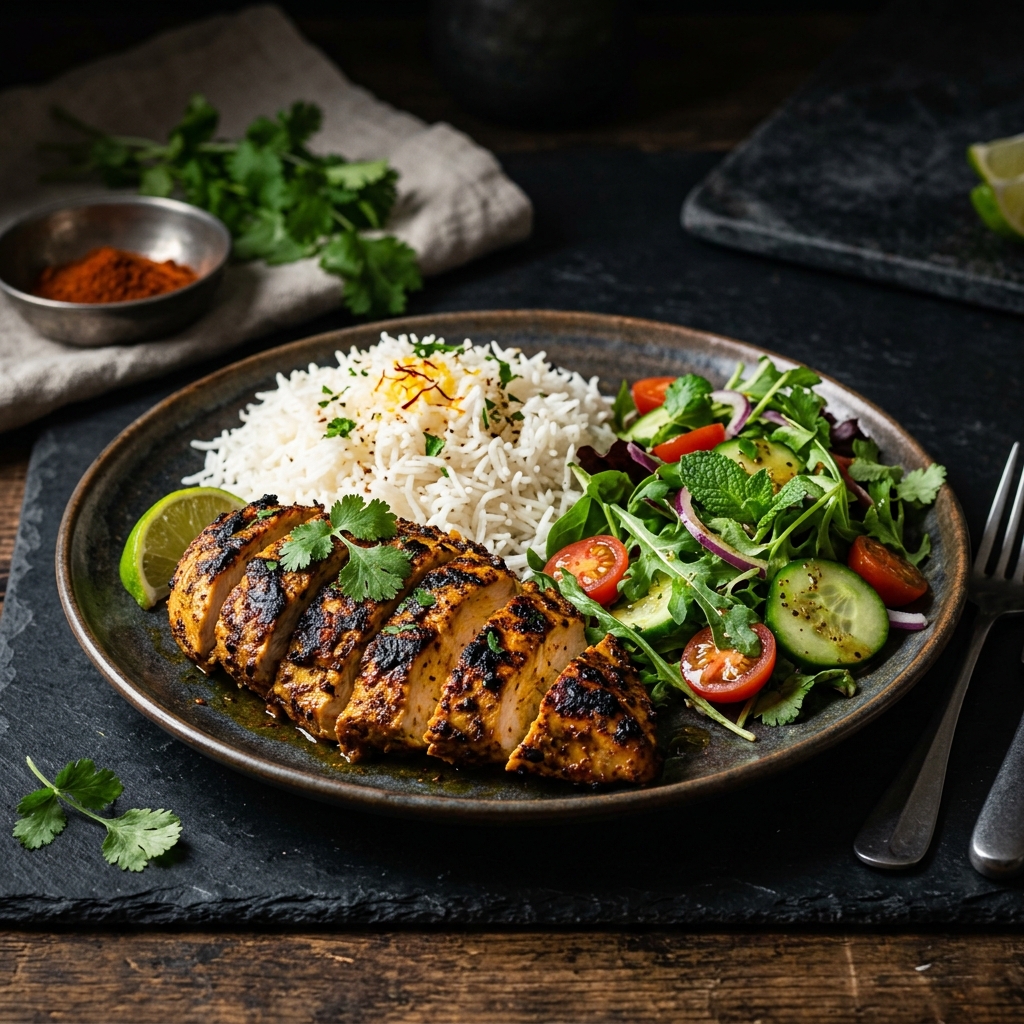
Lunch
Rice, Chicken & Salad
565 kcal · 51 g protein · 61 g carbs · 10 g fat
- 200g Chicken Breast (raw weight)
- 160g Cooked Rice
- Salad (Mandatory)
- Low-Calorie Indian Curry (~100 kcal)
Lean chicken provides the highest protein-to-calorie ratio of any meat source, protecting muscle mass during a calorie deficit. Rice provides readily available carbohydrates to fuel daily activity and training. Salad adds food volume and fiber with minimal calories.
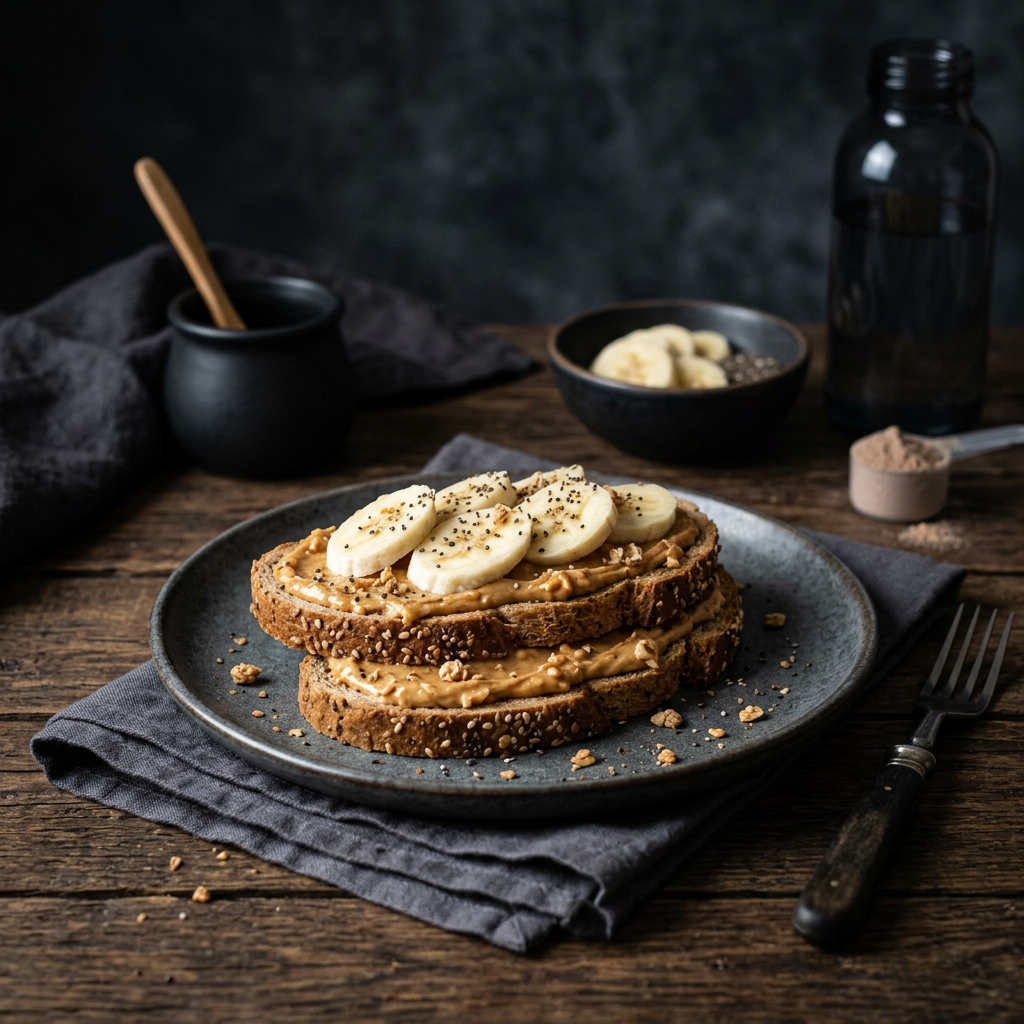
Pre-Workout
Carb-Focused Performance Meal
360 kcal · 11 g protein · 59 g carbs · 10 g fat
- 1 Banana (medium)
- 2 Slices Brown Bread
- 16g Peanut Butter (1 tbsp)
Bananas and bread provide fast-to-moderate digesting carbohydrates that top up glycogen stores before training. Higher carbohydrate intake pre-workout supports training intensity and performance. A small amount of fat from peanut butter slows digestion slightly.
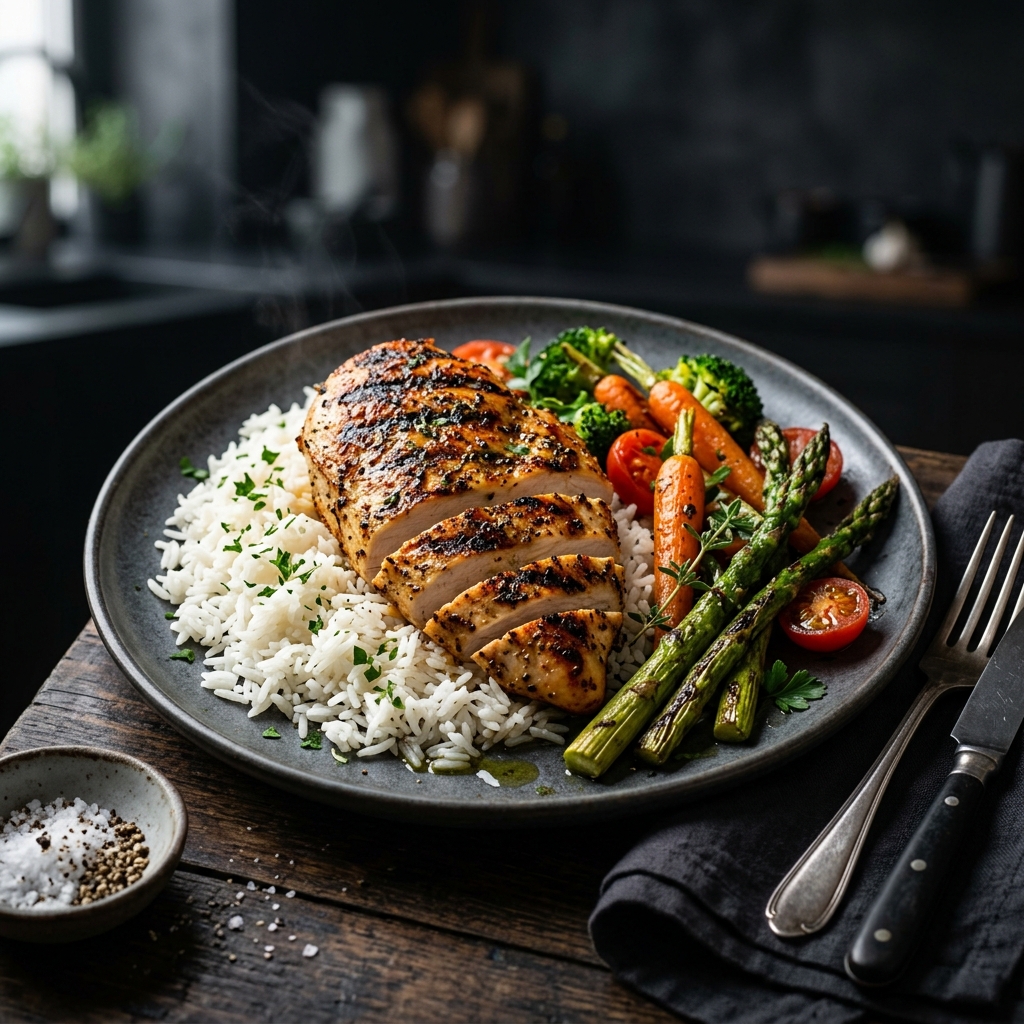
Dinner
Protein & Recovery Meal
485 kcal · 48 g protein · 55 g carbs · 6 g fat
- 200g Chicken Breast (raw weight)
- 170g Cooked Rice
- Vegetables or Salad
High protein intake at dinner supports overnight muscle protein synthesis and recovery from training. Moderate carbohydrates replenish glycogen stores used during the workout. Vegetables add fiber, improve fullness, and ensure adequate micronutrient intake.
Is 2,000 calories right for you?
It works as a moderate deficit for many men around 70-85 kg who train regularly, but your number depends on your size and activity. Find your maintenance with the calorie calculator, subtract about 500 kcal, and scale the portions of rice, oats and bread up or down to match. Keep the protein foods the same.
Vegetarian? Swap chicken for paneer, soya chunks, tofu or extra curd and dal, and use the protein calculator to check you still hit your daily target.