Push Pull Legs Split · intermediate
Pull Day Workout
Built to develop back width, thickness, rear delts, and biceps through high-stimulus exercise selection and controlled volume. No wasted sets.
- Exercises
- 6 exercises
- Working sets
- 12 working sets
- Duration
- 45-55 min
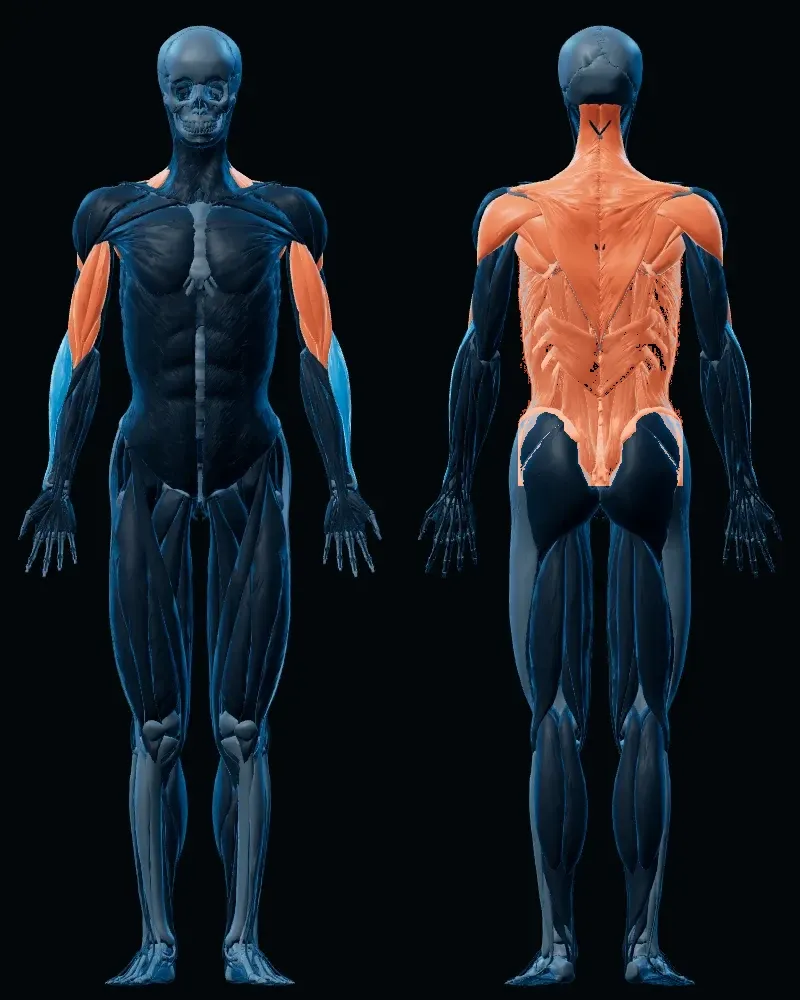
Muscles worked: pull day
Main movers: lats, upper back, rear delts, biceps and brachialis
Assisting: forearms
Exercise Routine
6 movements · 12 working sets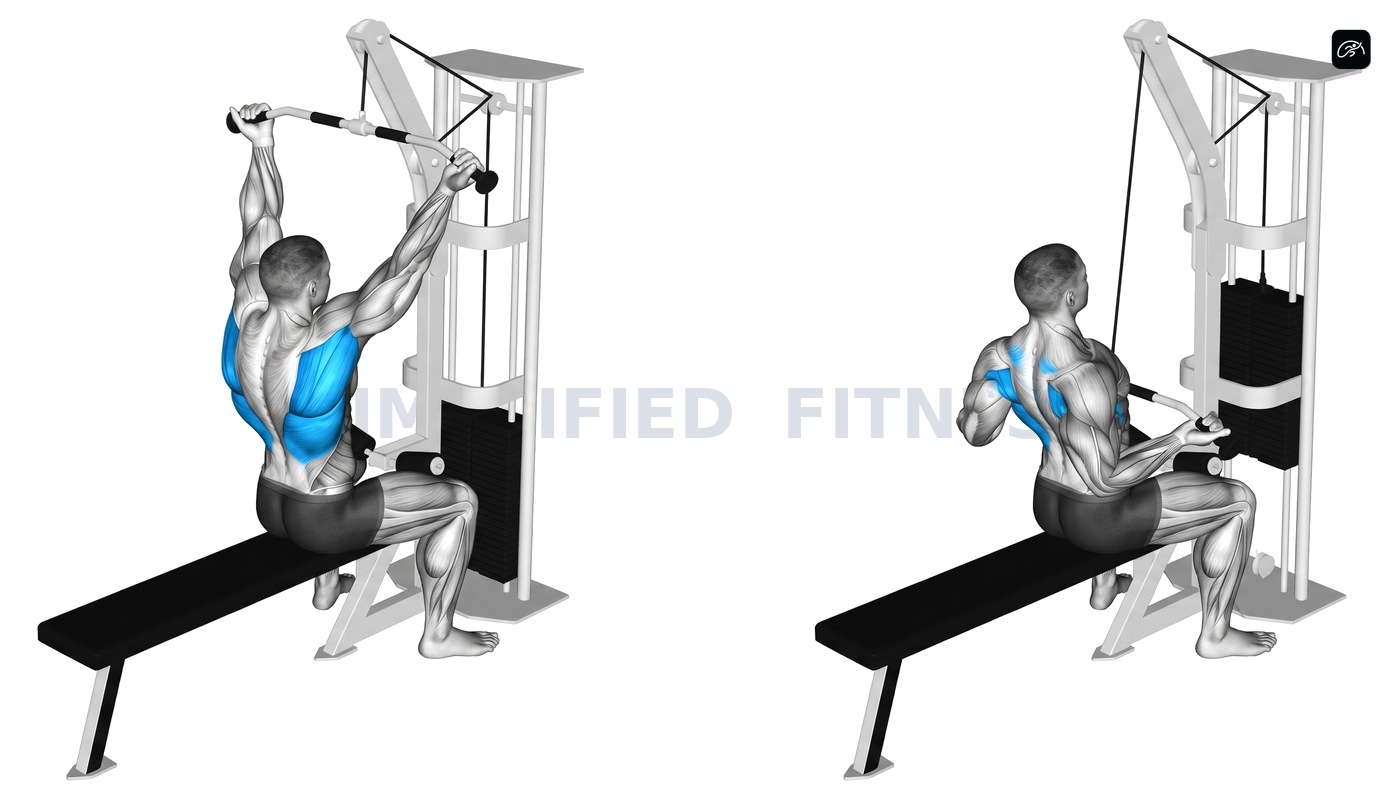
1 · Lats
Wide-Grip Lat Pulldown
Shoulder Adduction
Sets for Wide-Grip Lat Pulldown Set Reps Effort 1 6-8 1-2 RIR 2 6-8 0 RIR What It Is & Mechanics
Trains the costal and thoracic lat fibers through frontal-plane shoulder adduction, offering superior leverage for back width and a massive stretch at the top.
Key Execution Cues
- Maintain a tall, upright torso with a slight natural arch; avoid excessive backward lean
- Drive elbows straight down toward back pockets rather than pulling with biceps
- Pull bar down to chin or upper clavicle height; do not yank down to sternum
- Take 2-3 seconds to return under control to a complete overhead stretch
AlternativesWide-Grip Pull-Ups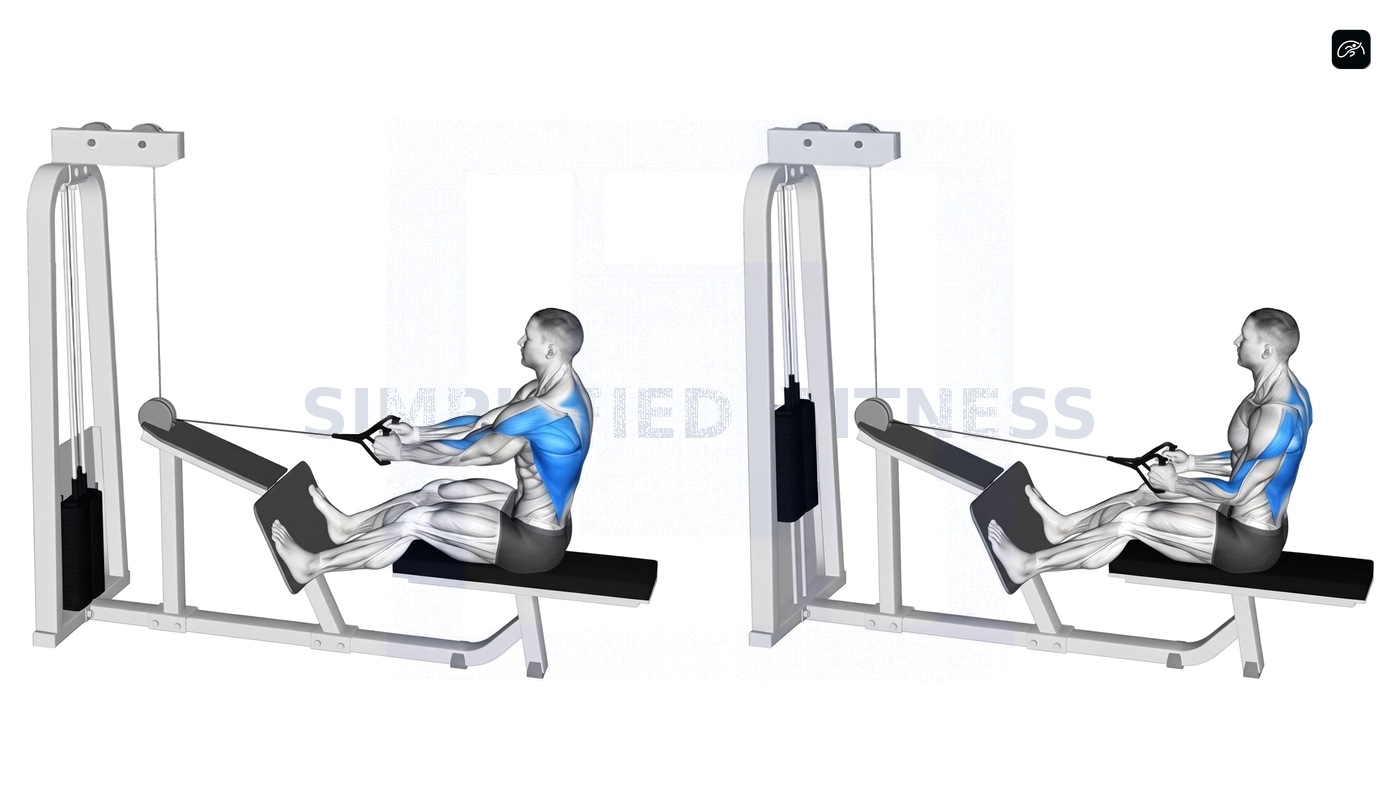 Cable Seated Row
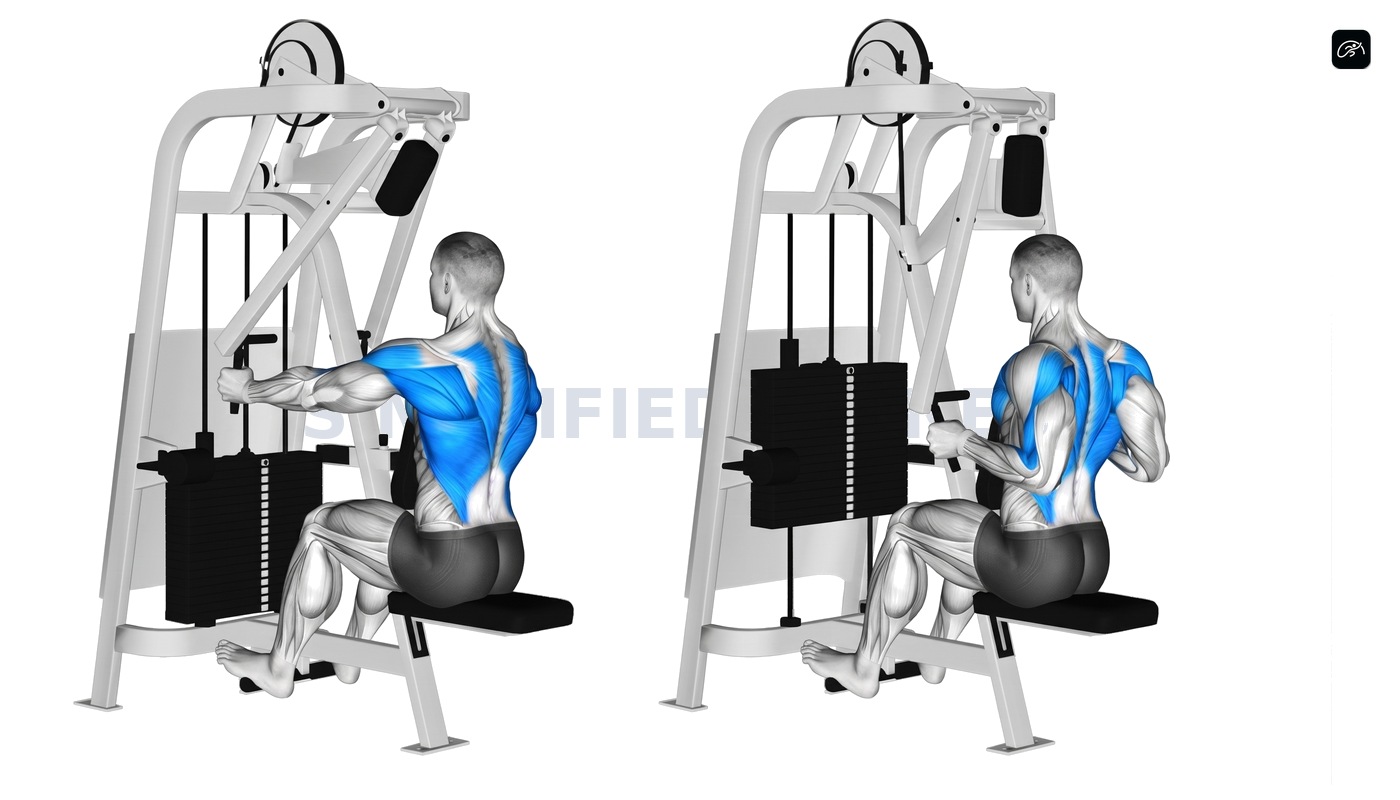 Machine Row
2 · Lats
Seated Cable Row
Shoulder Extension
Sets for Seated Cable Row Set Reps Effort 1 6-8 1-2 RIR 2 6-8 1-2 RIR What It Is & Mechanics
Biases the lower iliac and lumbar latissimus dorsi fibers through sagittal-plane shoulder extension, keeping tension uninterrupted throughout the entire stroke.
Key Execution Cues
- Keep elbows grazed tightly along ribcage throughout the pull
- Stop pulling once elbows align with torso; pulling further back reduces lat tension
- Allow scapulae to glide forward into a stretch without rounding lower back
- Maintain an upright chest and eliminate backward torso momentum
AlternativesSingle-Arm Lat PulldownClose-Grip Lat PulldownUnderhand Lat Pulldown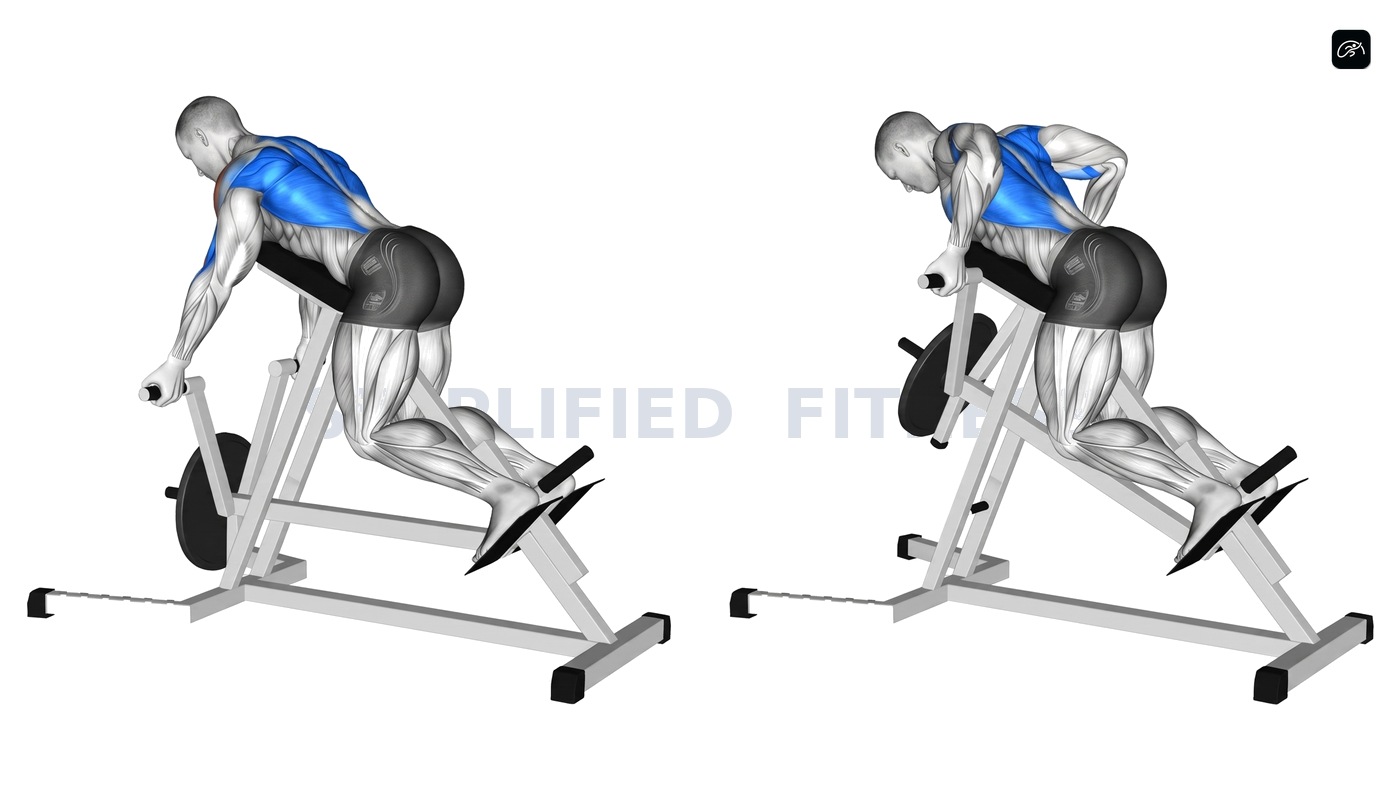 T-Bar Row
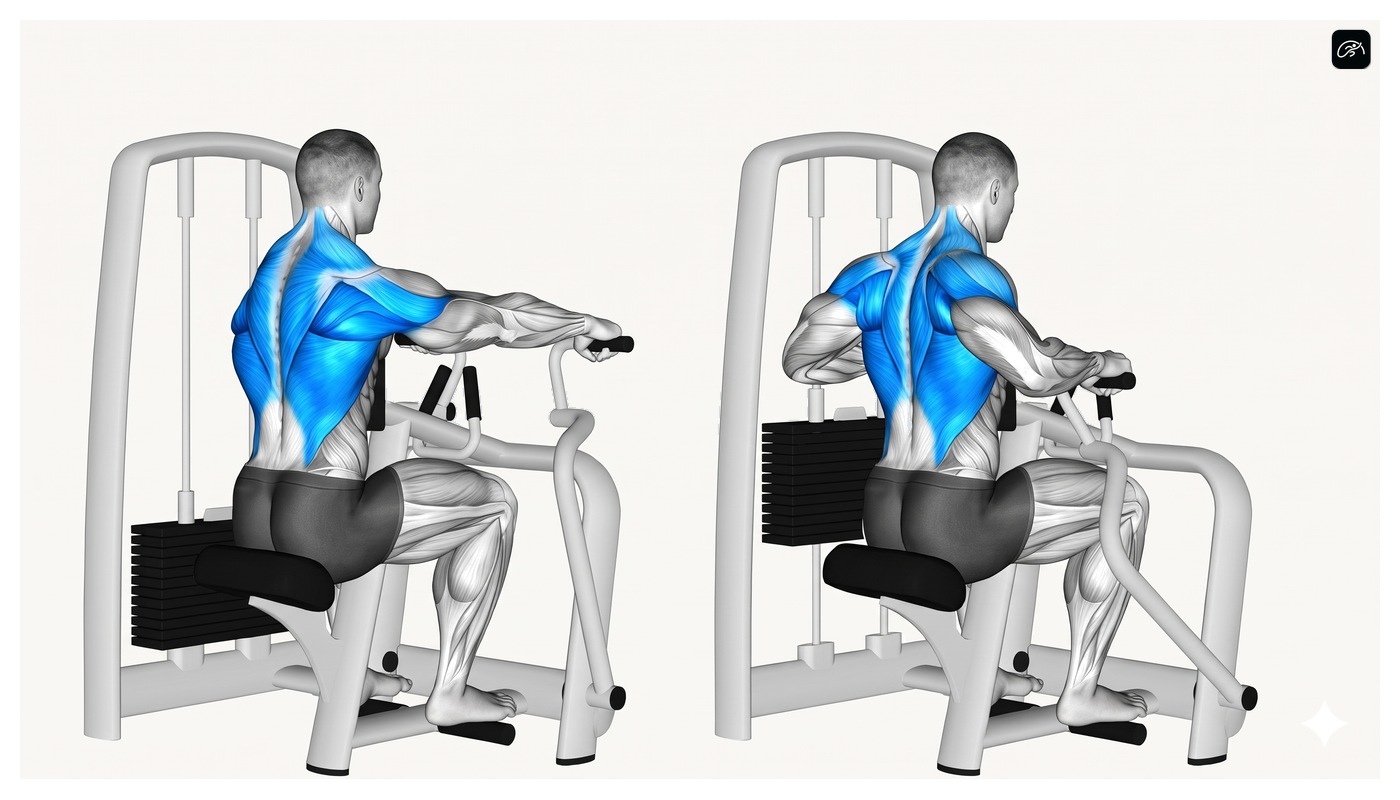 Wide Grip Machine RowPlate-Loaded Machine Row
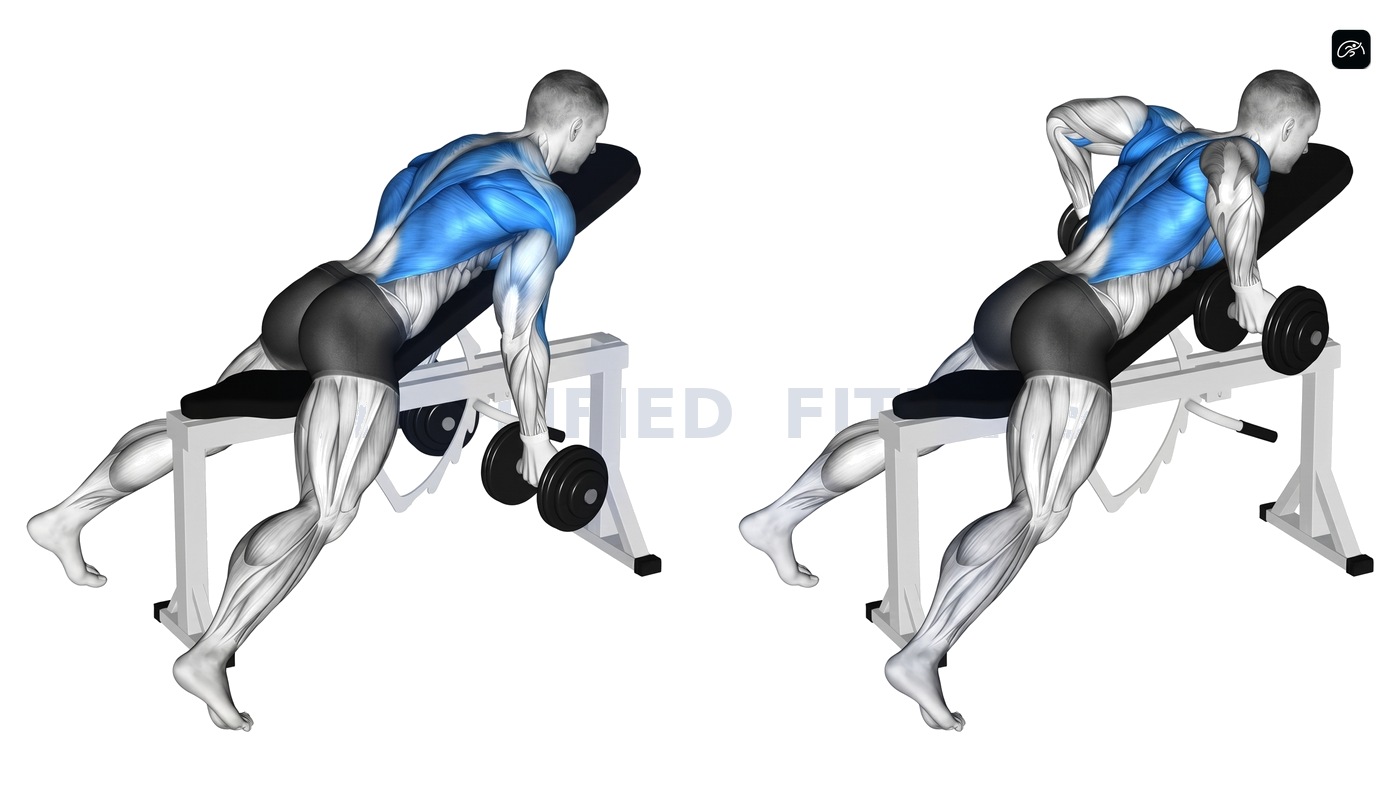 Dumbbell Row
3 · Upper Back
Chest-Supported T-Bar Row
Horizontal Row
Sets for Chest-Supported T-Bar Row Set Reps Effort 1 6-8 1-2 RIR 2 6-8 1-2 RIR What It Is & Mechanics
Flared-elbow horizontal rowing targets the mid and lower trapezius, rhomboids, and rear deltoids while chest support completely removes lower back spinal loading.
Key Execution Cues
- Flare elbows out 45-75° relative to torso to bias upper back over lats
- Keep sternum glued firmly to the pad to eliminate cheating with hip momentum
- Allow shoulder blades to fully protract and spread around ribcage at the stretch
- Drive elbows out and back, squeezing shoulder blades together for 1 full second
AlternativesChest-Supported Dumbbell RowWide-Grip Cable RowWide-Grip Machine Row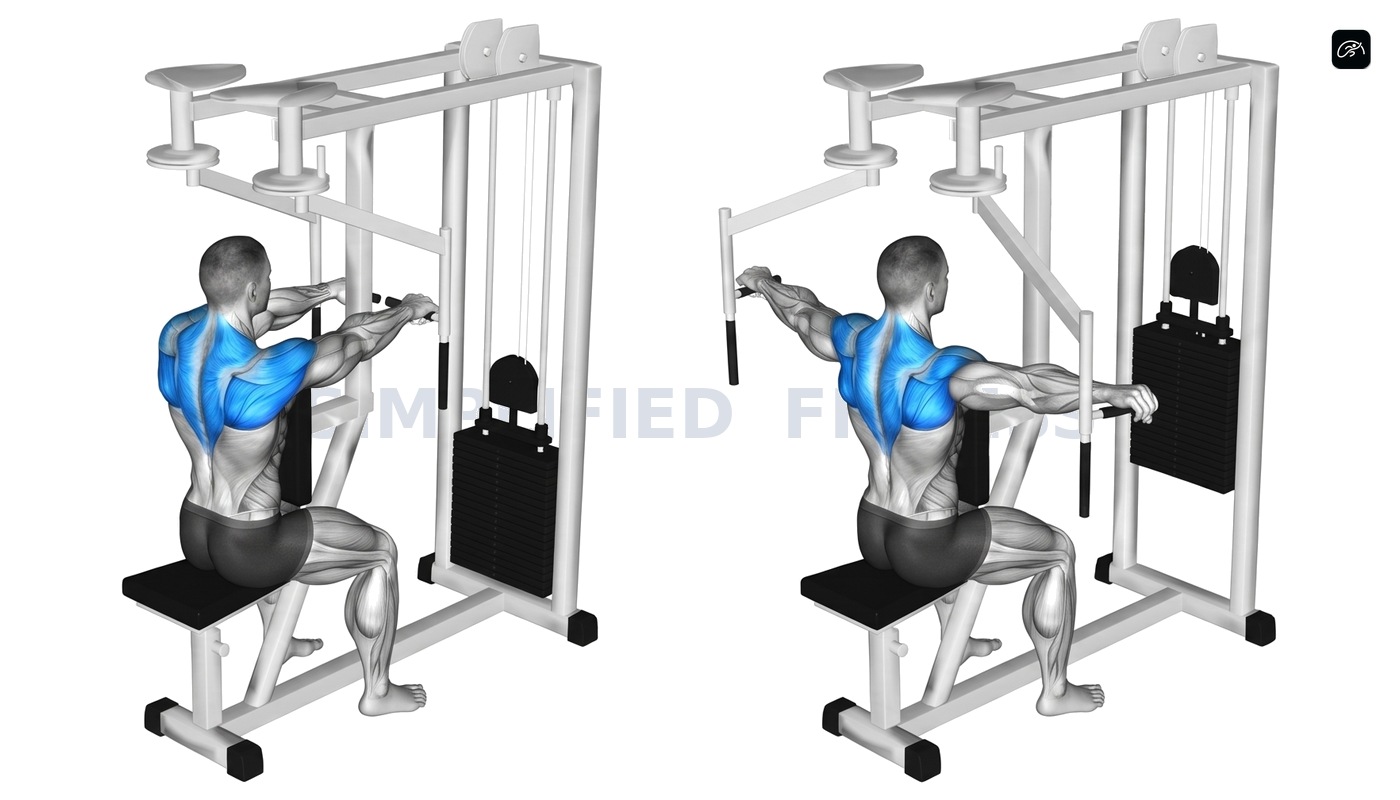
4 · Rear Delts
Reverse Pec Dec Fly
Shoulder Horizontal Abduction
Sets for Reverse Pec Dec Fly Set Reps Effort 1 8-12 1-2 RIR 2 8-12 1-2 RIR What It Is & Mechanics
Isolates the posterior deltoid through horizontal shoulder abduction in an internally rotated or neutral grip, matching the precise line of pull of rear delt fibers.
Key Execution Cues
- Adjust seat height so handles sit directly level with shoulders/mid-chest
- Sweep arms wide and outward in a horizontal arc until aligned with torso
- Stop once arms reach torso line; avoid yanking excessively behind the back
- Keep shoulder blades relatively neutral to prevent mid-traps taking over the load
AlternativesSingle-Arm Rear Delt Cable FlyIncline Dumbbell Rear Delt FlyCable Face Pull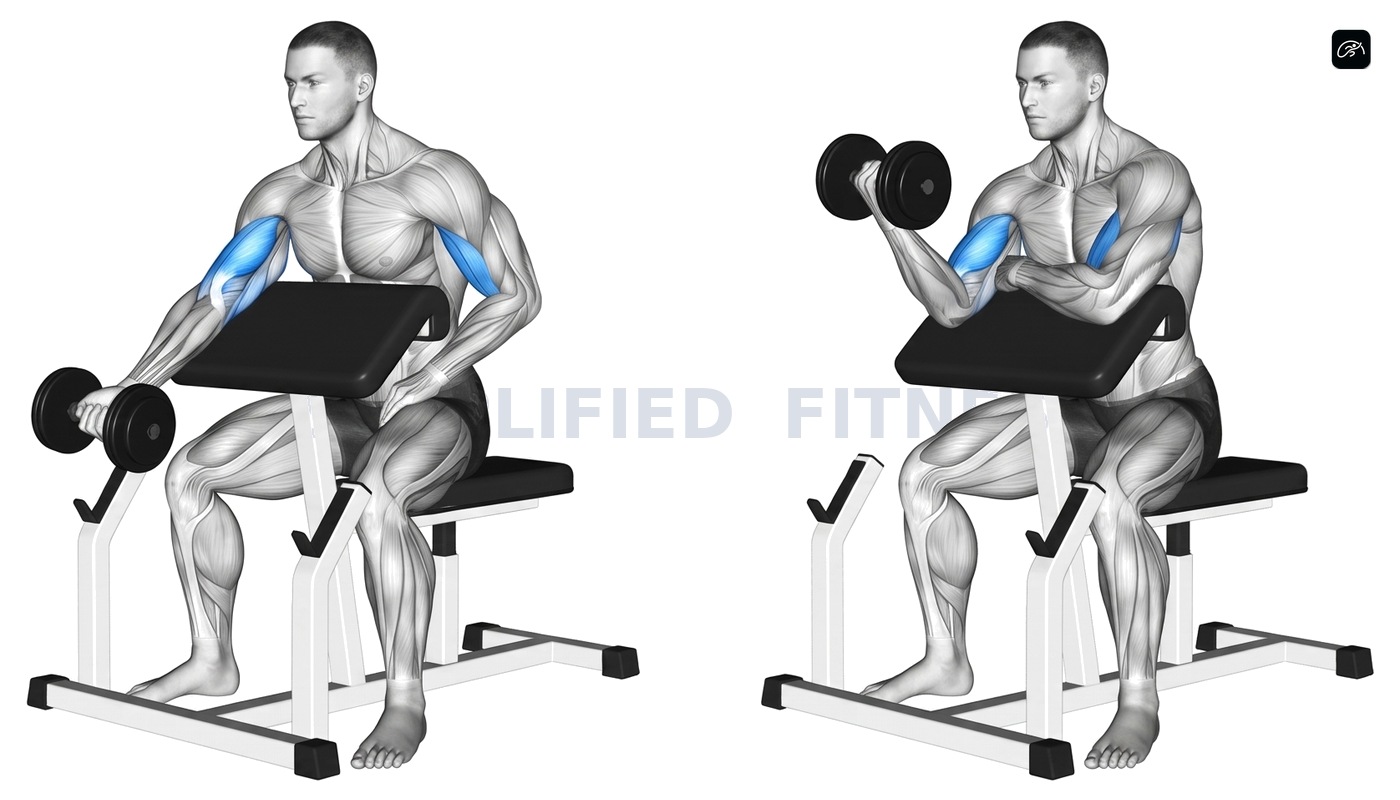
5 · Biceps
Preacher Curl
Elbow Flexion (Supinated)
Sets for Preacher Curl Set Reps Effort 1 6-8 1-2 RIR 2 6-8 1-2 RIR What It Is & Mechanics
Places shoulders in ~45° flexion to put the long head in passive insufficiency, maximizing recruitment and overload on the biceps short head and brachialis at the bottom stretch.
Key Execution Cues
- Anchor armpits firmly over top edge of pad with upper arms flat against support
- Lower under strict 2-3s control, stopping 2° shy of hyperextended lockout
- Keep wrists supinated (palms facing up) and curl through biceps, not wrists
- Stop curling just before forearms reach vertical to preserve tension on biceps
AlternativesMachine Preacher CurlIncline Dumbbell CurlBarbell CurlCable Curl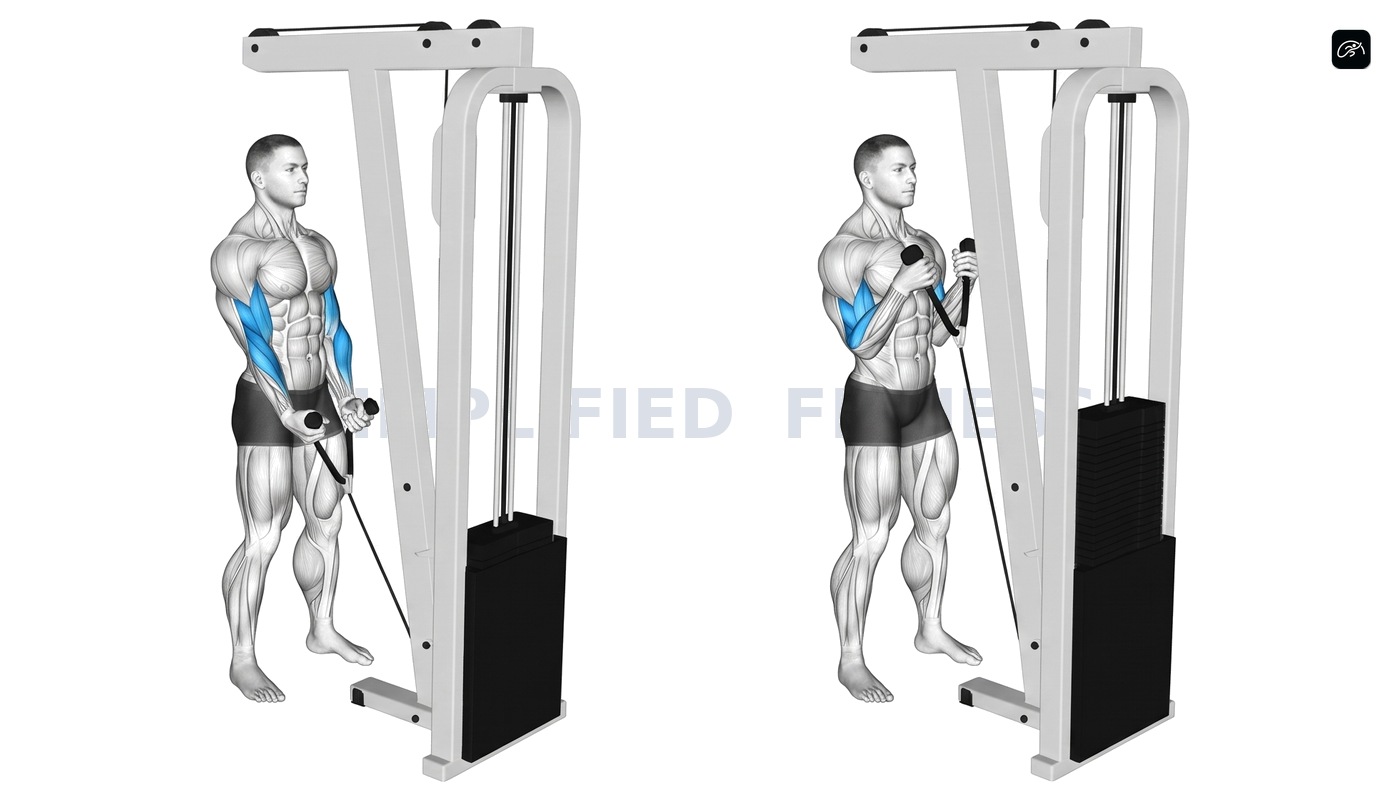 Cable Rope
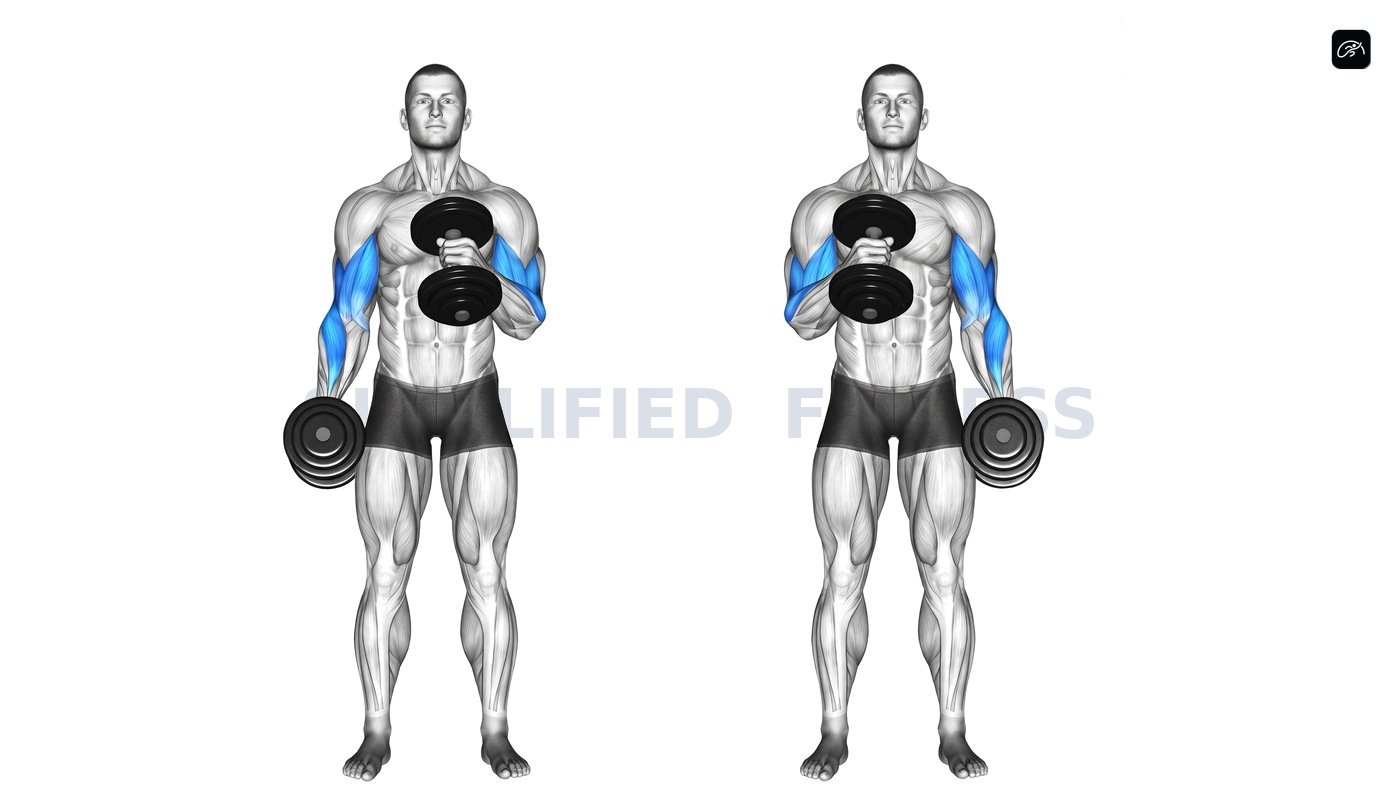 Dumbbell
6 · Biceps
Hammer Curl
Elbow Flexion (Neutral)
Sets for Hammer Curl Set Reps Effort 1 6-10 1-2 RIR 2 6-10 1-2 RIR What It Is & Mechanics
Neutral-grip elbow flexion shifts prime mover mechanical advantage to the brachialis and brachioradialis, packing dense thickness into the upper arm and forearms.
Key Execution Cues
- Keep thumbs pointing upward and palms facing each other throughout the set
- Pin elbows tightly to your sides; do not let them drift forward for momentum
- Maintain locked, neutral wrists to isolate the elbow flexors
- Pause and squeeze hard for 1 second at the top of each repetition
AlternativesCable Hammer CurlDumbbell Hammer Curl
How to run this plan
Run push, pull and legs, rest, then repeat, so each muscle is trained twice a week. That lands most muscles in the 6-10 hard sets per week range that captures most of the growth for natural lifters.
"RIR" means reps in reserve: how many more clean reps you could have done. Use the RIR load calculator to pick weights, and add a rep or a little weight each week while keeping the same effort. When progress stalls for two to three weeks across several lifts, take a lighter week.