Paneer vs Low-Fat Paneer (Chenna): Macros, Fat Content and a High-Protein Homemade Recipe
Paneer vs low fat paneer protein compared: why regular paneer is mostly a fat source, what chenna offers, and a step-by-step home recipe using toned milk.
TL;DR. The short answer
- Regular full-fat paneer gives roughly the same protein as low-fat chenna per 100 g, but typically carries around 20-25 g of fat and 280-320 kcal, so more than half its calories come from fat.
- Low-fat paneer or skim-milk chenna usually has only a few grams of fat per 100 g and roughly 120-140 kcal, which makes it far easier to fit into a cutting diet. Exact numbers vary by brand and moisture, so read the label.
- You can make chenna at home from 1 litre of toned or skim milk and 2-3 tablespoons of lemon juice: boil, curdle, strain, rinse and press.
- Regular paneer is not bad. It is a fat-rich food that works when you weigh it, count the cooking oil, and need the extra calories.
- If you have high cholesterol, heart disease or lactose intolerance, check with your doctor before making paneer a daily staple.
Part of our complete guide: Indian High-Protein Nutrition Guide: Cutting and Muscle Building on Vegetarian and Non-Veg Diets
Table of contents
Regular paneer is a decent protein source for Indian lifters (see our Indian high-protein nutrition guide), but by calories it is closer to a fat source. A 100 g block typically gives you around 18 g of protein alongside 20-25 g of fat, while low-fat paneer or skim-milk chenna gives similar protein with only a few grams of fat. If you are comparing paneer vs low fat paneer protein, that fat gap is the whole story.
A quick note on numbers before we go further. Paneer values on packs and in tables differ by brand, milk type and how much water is pressed out. I use typical ranges here, I label them illustrative where they appear in a figure, and I would trust your own pack label over any average.
Is regular paneer a protein source or a fat source?
Both, and the split matters.
Paneer is made by heating milk and curdling it with acid. A review of paneer manufacture describes it as a product obtained by heat and acid coagulation of milk that entraps almost all the fat, along with casein complexed with denatured whey proteins (Kumar et al., 2014). Another review calls it a rich source of high-quality animal protein, fat, minerals and vitamins (Khan and Pal, 2011).
Read that first sentence again: almost all the fat ends up in the curd. So a paneer made from full-cream milk is a concentrated block of milk fat and casein.
Do the arithmetic with standard energy values (4 kcal per gram of protein, 9 per gram of fat). Take typical label values of about 18 g protein and 22 g fat. Protein gives roughly 72 kcal. Fat gives roughly 198 kcal. Fat is around two thirds of the calories before you add any oil to the pan.
Regular paneer vs low-fat chenna: the macro comparison
Here is how the two compare per 100 g, using typical values. These are illustrative averages, and your pack may differ.
| Per 100 g (typical) | Regular full-fat paneer | Low-fat paneer / skim chenna |
|---|---|---|
| Protein | about 18 g | about 19 g (often 15-22 g) |
| Fat | about 20-25 g | about 2-5 g |
| Calories | about 280-320 kcal | about 120-140 kcal |
| Protein per 100 kcal | about 6 g | about 15 g |
| Best use | Bulking, calorie-dense meals | Cutting, high-protein meals |
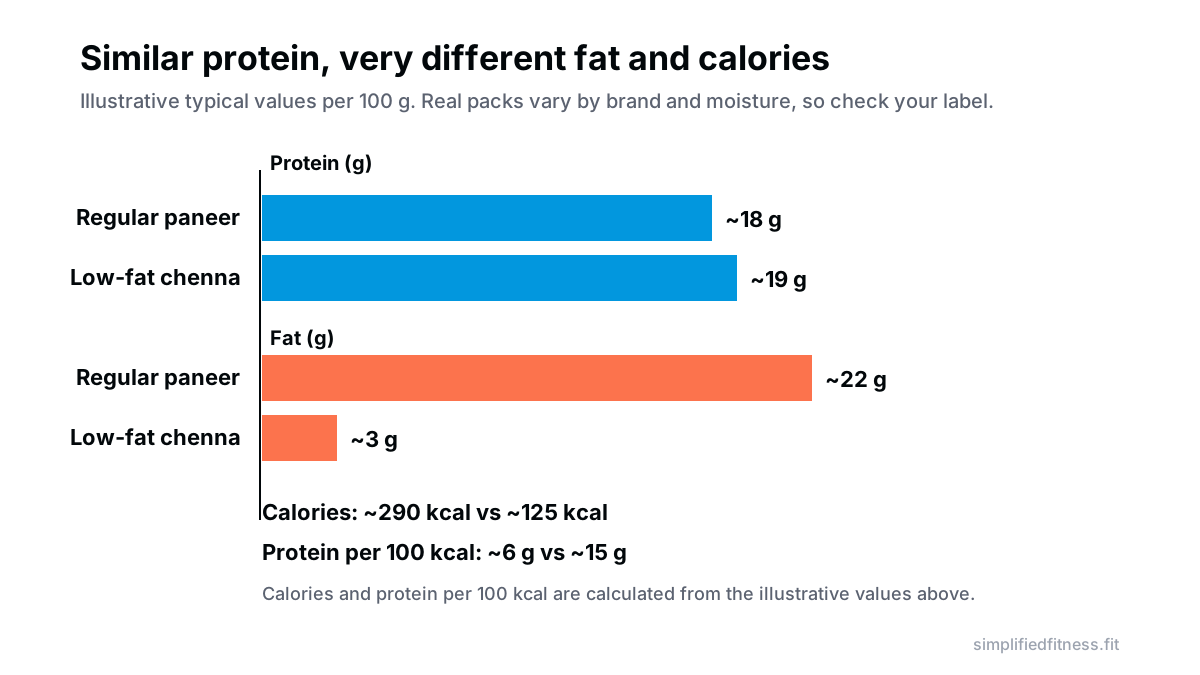
Two things to notice. First, the protein per 100 g does not change much. Second, the protein per 100 kcal more than doubles, which is the number that matters when your calories are tight.
Why would protein look similar? Mainly because the curd is concentrated either way. Moisture is the wildcard. A drier, harder-pressed block holds more protein per 100 g, and a soft, wet chenna holds less. That is why home batches are best weighed rather than trusted to a table.
Chenna for bodybuilding: does the fat matter for muscle?
For muscle growth, the fat in paneer is not harmful in itself. It is a calorie question.
Protein is what you are chasing. A meta-analysis of 49 randomized trials with 1,863 participants found that protein supplementation modestly increased gains in strength and fat-free mass during resistance training, and that intakes above about 1.62 g/kg/day gave no further gains in fat-free mass (Morton et al., 2018). So a typical lifter does not need exotic protein; they need to reach a sensible daily total. (A caveat: some of the authors reported funding links to a national dairy body, and the trials were mostly short, in people who were not all lean or highly trained.)
When you are in a deficit, the picture shifts. A systematic review of six studies in lean, resistance-trained athletes who restricted calories suggested protein needs are likely higher, about 2.3-3.1 g/kg of fat-free mass, scaled upward with the severity of the deficit and leanness (Helms et al., 2014). That is a small, mixed body of evidence in lean athletes, so treat the range as a guide rather than a rule.
Here is the practical bit. If you are cutting and aiming for a high protein number, you cannot afford to spend 300 kcal on 18 g of protein every time. Low-fat chenna lets you hit the target with calories to spare. Our high protein during a cut guide covers the targets in more detail, and you can get your own number with the protein calculator.
How to make high-protein paneer (chenna) at home
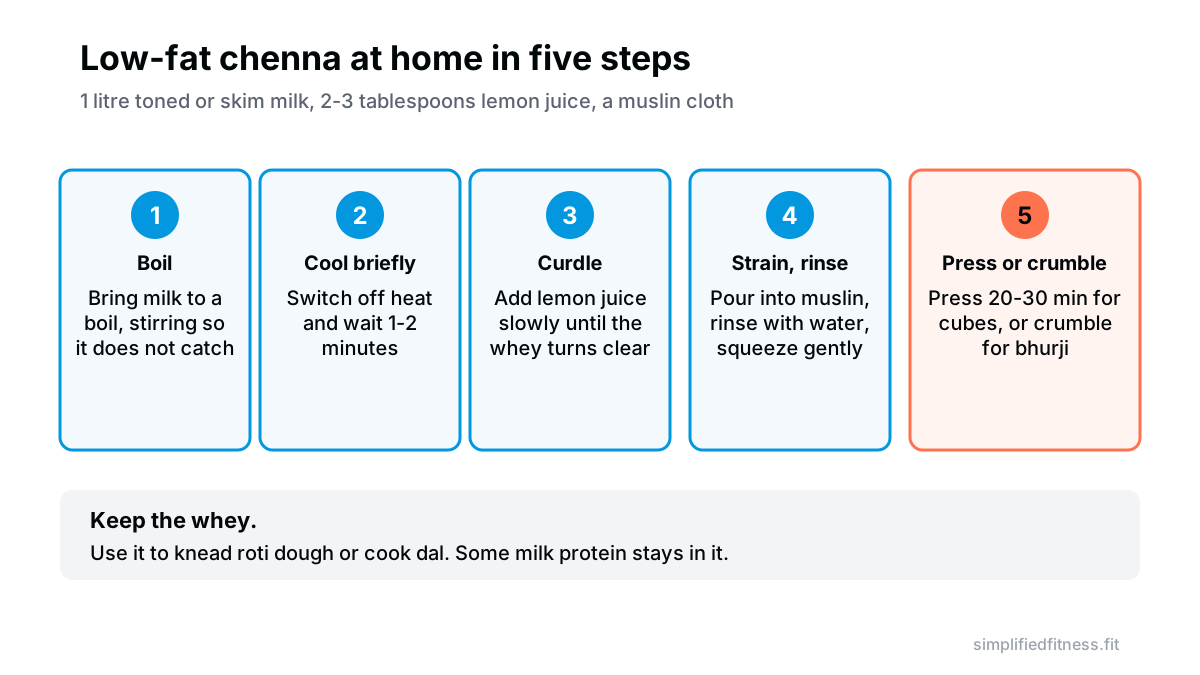
This is the part most people actually want. You need toned or skim milk, lemon juice and a muslin cloth. No special equipment.
Ingredients
- 1 litre toned or skim milk (skim gives the leanest result)
- 2-3 tablespoons lemon juice, diluted with a little water
- A clean muslin cloth and a strainer
Method
- Bring the milk to a boil in a heavy pan, stirring so it does not catch.
- Switch off the heat and wait 1-2 minutes so the milk is hot but not furiously bubbling.
- Add the lemon juice a little at a time, stirring gently. Stop when the curd separates and the whey looks pale and clear.
- Let it sit for about 5 minutes, then pour through the muslin.
- Rinse the curd under water to remove the lemon taste, then squeeze out the extra whey.
- For soft chenna, use it as is. For cubes, tie the cloth, press under a weight for 20-30 minutes, then cut.
What to expect. As a rough guide, a litre of toned milk gives something like 120-170 g of fresh chenna, depending on how dry you press it. That is an estimate, not a measured figure, so weigh your first batch and use that number in your tracking.
Why does the acid amount matter?
Not all curdling is equal. In a study of paneer made from reconstituted milk, yield, moisture and sensory scores fell as acid strength went up, and citric and tartaric acid at 2% worked best of the options tested (Khan et al., 2014). That was a lab study with specific acids and reconstituted milk, not home lemon juice in toned milk. But the lesson transfers: more acid is not better. Add just enough for the whey to clear.
Why is homemade low-fat chenna sometimes dry or rubbery?
Low-fat curd has less fat to keep it tender, so small mistakes show up fast.
- Overheating after adding acid. Keep the pan off the flame.
- Pressing too hard or too long. Stop once it holds together.
- Cooking it dry. Finish it in a sauce, or crumble it into a bhurji with tomato and onion so it stays moist.
Regular paneer vs chenna: which should you use?
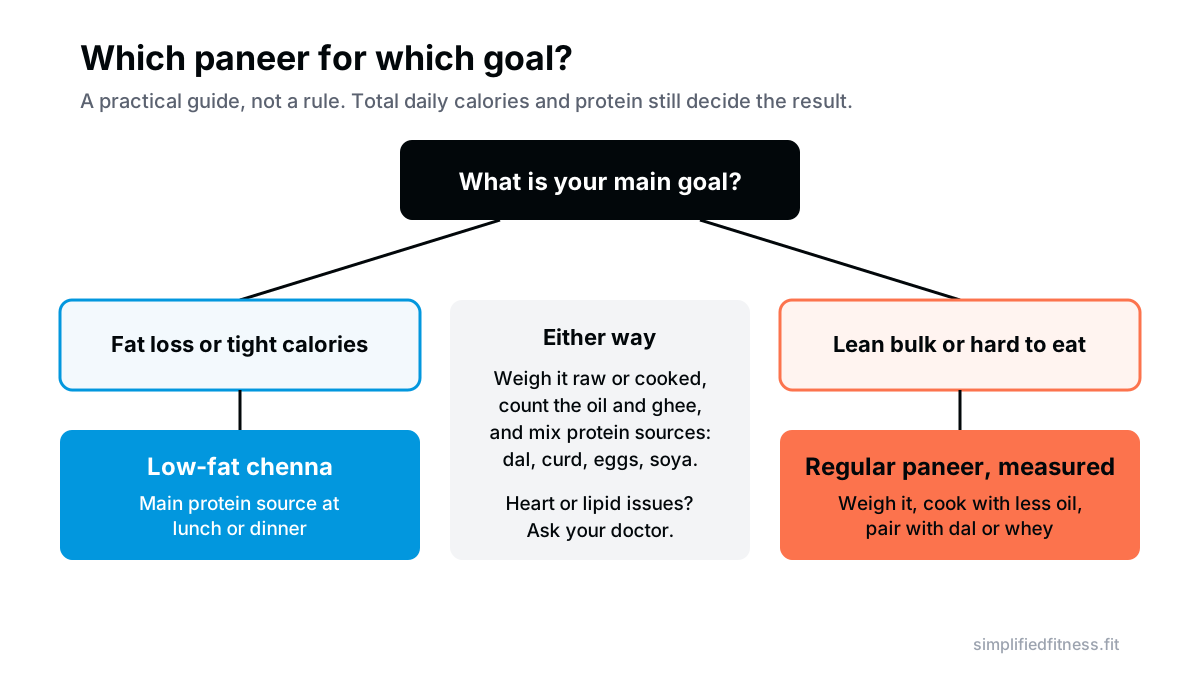
Use regular paneer when you want calories, and low-fat chenna when you want protein for fewer calories. Neither is a wrong answer; they suit different phases.
Regular paneer works well when:
- You are lean bulking and struggle to eat enough.
- You are a vegetarian who needs calorie-dense meals on a budget.
- You weigh it and count the oil in the gravy.
Low-fat chenna works well when:
- You are cutting and want a big protein serving that does not use up your calories.
- You want a lighter dinner or a high-protein snack.
- You cook at home and can control the milk.
Neither option replaces variety. Mixing paneer with dals and pulses, curd or hung curd and soya chunks gives you a wider range of amino acids and keeps meals interesting. If you are wondering whether a typical vegetarian thali has enough protein at all, read our piece on the traditional Indian diet and protein gap.
The hidden calorie trap: paneer is rarely eaten plain
Most of the damage is not the paneer. It is what paneer gets cooked in.
Restaurant-style paneer butter masala or shahi paneer combines a fat-rich food with butter, cream and oil. Even at home, a tadka with two spoons of oil adds a lot of calories without adding protein. We dig into this in hidden calorie traps in Indian cooking.
Easy swaps that keep paneer in your diet:
- Grill or dry-roast paneer or chenna cubes with spices instead of deep frying.
- Make bhurji with crumbled chenna, onion, tomato and one teaspoon of oil.
- Add chenna to a salad bowl or roti wrap with vegetables.
- Pair a smaller paneer portion with dal so protein comes from two sources.
If you want these slotted into a full day of eating, see the vegetarian cutting diet at 1800 calories, or build a plan with the free diet plan tool.
Does paneer digest slowly?
Probably a little, because it is casein-heavy. A review of milk proteins explains that caseins form a clot in the stomach, which slows gastric emptying and the rise in blood amino acids compared with whey, and that processing and food structure change that behaviour (Horstman and Huppertz, 2023). That review was not about paneer, and the authors are affiliated with a dairy company, so I would not claim a specific digestion speed for paneer.
What it does suggest is that paneer is a reasonable dinner or evening food rather than a fast post-workout hit. If that angle interests you, see our guide to casein and slow-digesting protein at night.
Who should be careful with paneer?
For most healthy adults, paneer in sensible portions is fine. Speak to your doctor or a registered dietitian first if you:
- have high cholesterol, heart disease or are told to limit saturated fat
- have a diagnosed milk allergy (different from lactose intolerance)
- have kidney disease and have been given a protein limit
- get digestive symptoms after dairy
This article is general information, not a diagnosis or medical advice.
The bottom line
Regular paneer gives you around 18 g of protein for roughly 280-320 kcal, with most of those calories coming from fat. Low-fat paneer or skim-milk chenna gives similar protein for less than half the calories. You can make chenna yourself from a litre of toned milk and a couple of spoons of lemon juice in under an hour, pressing included.
Pick regular paneer when you need the calories and low-fat chenna when you do not, weigh it either way, and count the oil. Work out how much protein you actually need with the protein calculator, then decide how much of it paneer should supply.
Frequently Asked Questions
Is paneer a good source of protein or just fat?
Regular paneer is both, but by calories it is mostly a fat source. A typical 100 g serving has around 18 g of protein and 20-25 g of fat, so fat supplies well over half of the calories. It still counts toward your protein target, so the practical move is to weigh it and treat it as a protein-and-fat food rather than a lean protein.
How much protein is in 100 g of paneer?
Most packs of regular paneer list somewhere around 17-20 g of protein per 100 g, though brands and moisture levels differ. Casein makes up most of the protein, held in a firm curd that also traps almost all the milk fat, as described in a review of paneer manufacture. Check the label on your own pack and weigh the portion you actually eat.
What is the difference between paneer and chenna?
Both are made by acid curdling of milk, but chenna is usually softer and moister, while paneer is pressed into a firm block. The curd from skim or toned milk is lower in fat than curd from full-cream or buffalo milk. If you make it at home, you control the milk, which controls the fat.
Is low-fat paneer good for weight loss?
It can help, because it delivers similar protein for far fewer calories than regular paneer. Over a deficit, a high protein intake helps preserve lean mass in resistance-trained people, according to a systematic review of lean athletes. Use it as the main protein in a meal and keep the cooking oil small.
How many calories are in 100 g of regular paneer?
Regular full-fat paneer is commonly listed at around 280-320 kcal per 100 g. Fat provides 9 kcal per gram, so 20-25 g of fat alone adds roughly 180-225 kcal. Weigh your portion and log it, especially if you also cook it in oil or butter-based gravy.
Can I build muscle with regular paneer?
Yes, as long as your total daily protein and training are on track. Paneer is a decent protein source, and the extra calories can actually help if you struggle to eat enough during a lean bulk. Meta-analytic evidence suggests extra protein beyond about 1.6 g/kg/day adds little further muscle gain, so hit that target from mixed sources rather than relying on paneer alone.
How do I make high-protein paneer at home?
Boil 1 litre of toned or skim milk, switch off the heat, stir in 2-3 tablespoons of lemon juice until the whey turns clear, then strain through muslin. Rinse, squeeze gently, and press for 20-30 minutes if you want a block. Starting with skim milk lowers fat; using too much acid can reduce yield and texture, based on work comparing coagulant strengths.
How much chenna do you get from 1 litre of milk?
Roughly 120-170 g of fresh chenna is a reasonable expectation from a litre of toned milk, depending on how dry you press it. Yield falls as the milk gets leaner and as you use stronger acid, so results vary from batch to batch. Weigh your own batch once and use that number to log your meals.
Is toned milk or skim milk better for homemade chenna?
Skim milk gives the leanest chenna, while toned milk gives a slightly richer, softer one that is easier to cook with. Fat in paneer mostly tracks the fat in the milk, since the curd traps almost all of it. For fat loss pick skim, for a balance of texture and macros pick toned.
Why is my homemade chenna rubbery or dry?
Usually the milk was overheated after adding acid, the curd was pressed too hard, or too much lemon juice was used. Low-fat curd has less fat to keep it soft, so it dries quickly. Add the acid off the heat, stop pressing as soon as it holds together, and cook it in a sauce or bhurji so it stays moist.
Can lactose intolerant people eat paneer?
Some can tolerate it, because most lactose leaves with the whey when milk is curdled, though a portion of lactose can stay in the curd. Tolerance varies a lot from person to person. Start with a small portion and see how you feel, and ask your doctor if you have a diagnosed milk allergy, since that is different from lactose intolerance.
Does paneer digest slowly like casein?
Paneer is rich in casein, and a review of milk proteins notes that caseins form a clot in the stomach, which slows gastric emptying and amino acid delivery compared with whey. That is a general finding for casein, not a test of paneer itself. Paneer works fine in a dinner or a pre-bed snack, but do not expect a fast post-workout spike.
How much paneer can I eat per day?
There is no single safe number, because it depends on your calories, protein goal and health. A palm-sized portion of around 100-150 g fits most plans if you count the calories. If you have raised cholesterol or heart disease, ask your doctor or dietitian how much dairy fat suits you.
Sources & References
Every claim above is checked against peer-reviewed research (PubMed, U.S. National Library of Medicine) or guidance from established health bodies. How we fact-check.
- Kumar S, et al. Paneer-An Indian soft cheese variant: a review. J Food Sci Technol. 2014. PMID: 24803688
- Khan SU, et al. Paneer production: A review. J Food Sci Technol. 2011. PMID: 23572801
- Kumar SS, et al. Efficacy of soy protein isolate as a fat replacer on physico-chemical and sensory characteristics of low-fat paneer. J Food Sci Technol. 2011. PMID: 23572778
- Khan SU, et al. Effect of different coagulants at varying strengths on the quality of paneer made from reconstituted milk. J Food Sci Technol. 2014. PMID: 24587533
- Morton RW, et al. A systematic review, meta-analysis and meta-regression of the effect of protein supplementation on resistance training-induced gains in muscle mass and strength in healthy adults. Br J Sports Med. 2018. PMID: 28698222
- Helms ER, et al. A systematic review of dietary protein during caloric restriction in resistance trained lean athletes: a case for higher intakes. Int J Sport Nutr Exerc Metab. 2014. PMID: 24092765
- Horstman AMH, et al. Milk proteins: Processing, gastric coagulation, amino acid availability and muscle protein synthesis. Crit Rev Food Sci Nutr. 2023. PMID: 35611879

Umair Hazrami · Founder & Head Coach, Simplified Fitness
Umair Hazrami founded Simplified Fitness and the Simplified Lifter channel to cut through fitness noise. With 4+ years of consistent training and 10+ coaching clients, he writes every guide from the peer-reviewed research and links the sources so you can check them. Our editorial standards.
Educational content only, not medical advice. If you have a medical condition, are pregnant, or take medication, talk to a qualified doctor before changing your diet, supplements or training. Full disclaimer.
Keep reading
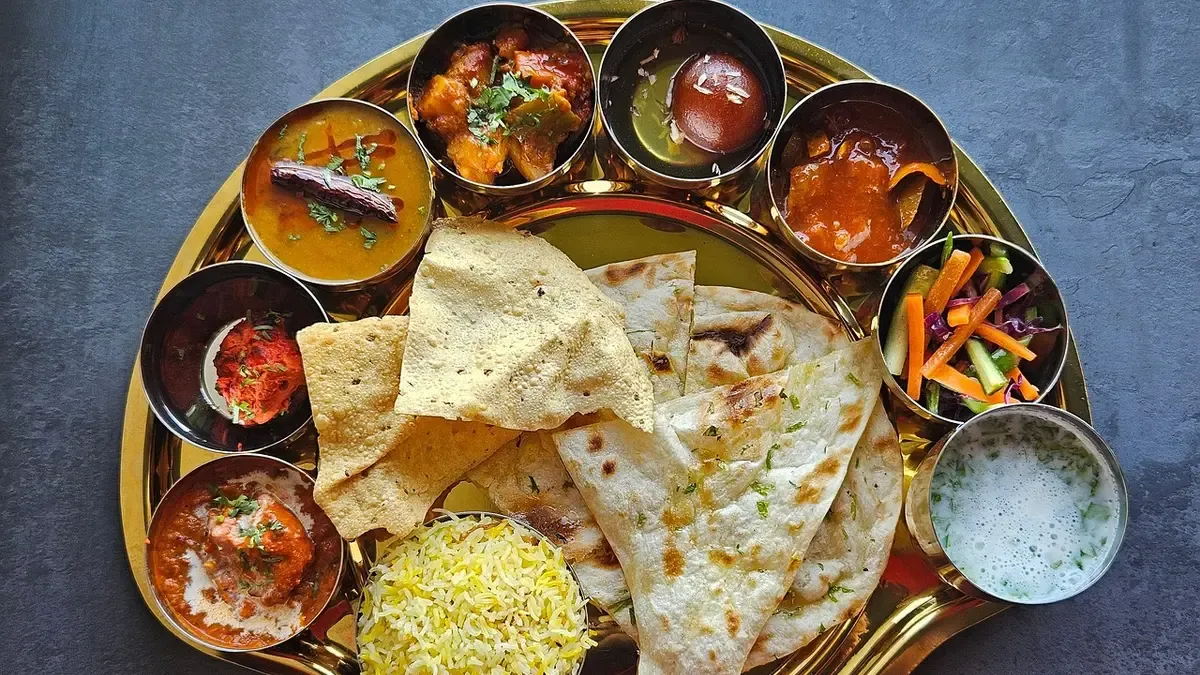
Indian Diet
Budget Indian Diet for 120g Protein Under ₹100 a Day (Student Plan)
A budget Indian diet for 120g protein under 100 rupees a day: soya, eggs, milk and chana, with protein per rupee maths and two student plans you can copy.
8 min read
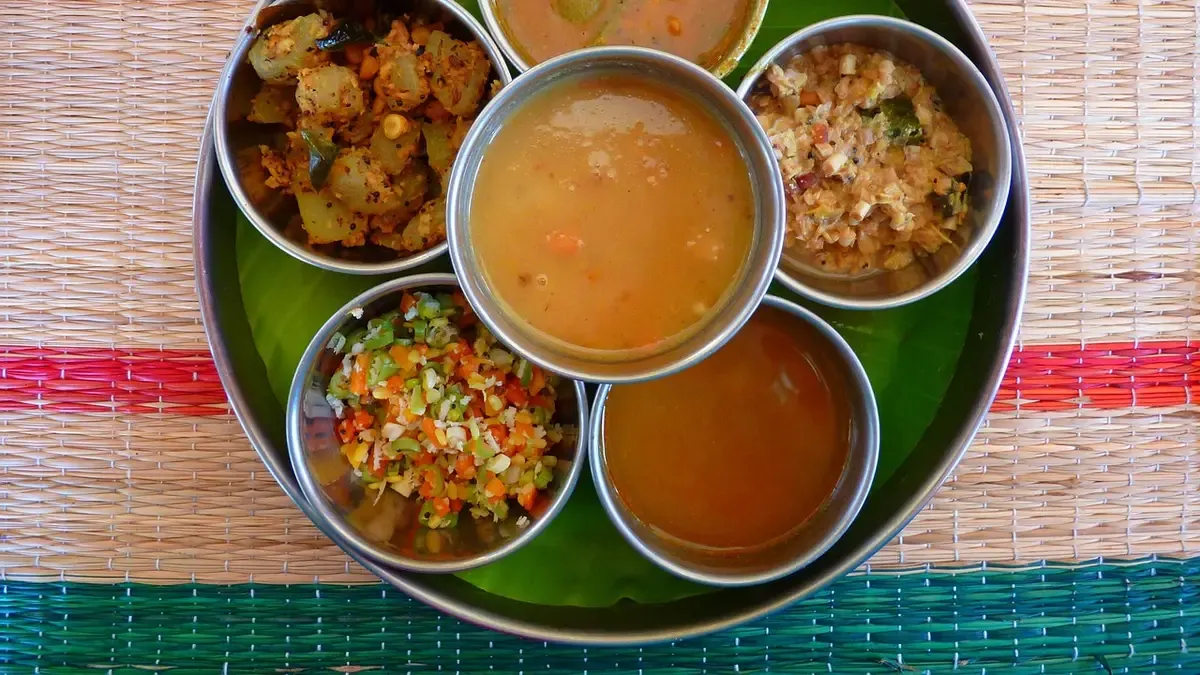
Indian Diet
Chicken Breast and Fish in India: Where to Buy, How to Cook, and Cost per 30 g Protein
Chicken breast price per kg India: compare wet market vs apps, learn safe handling, a brine method for juicy meat, and rohu vs chicken cost per 30 g protein.
11 min read
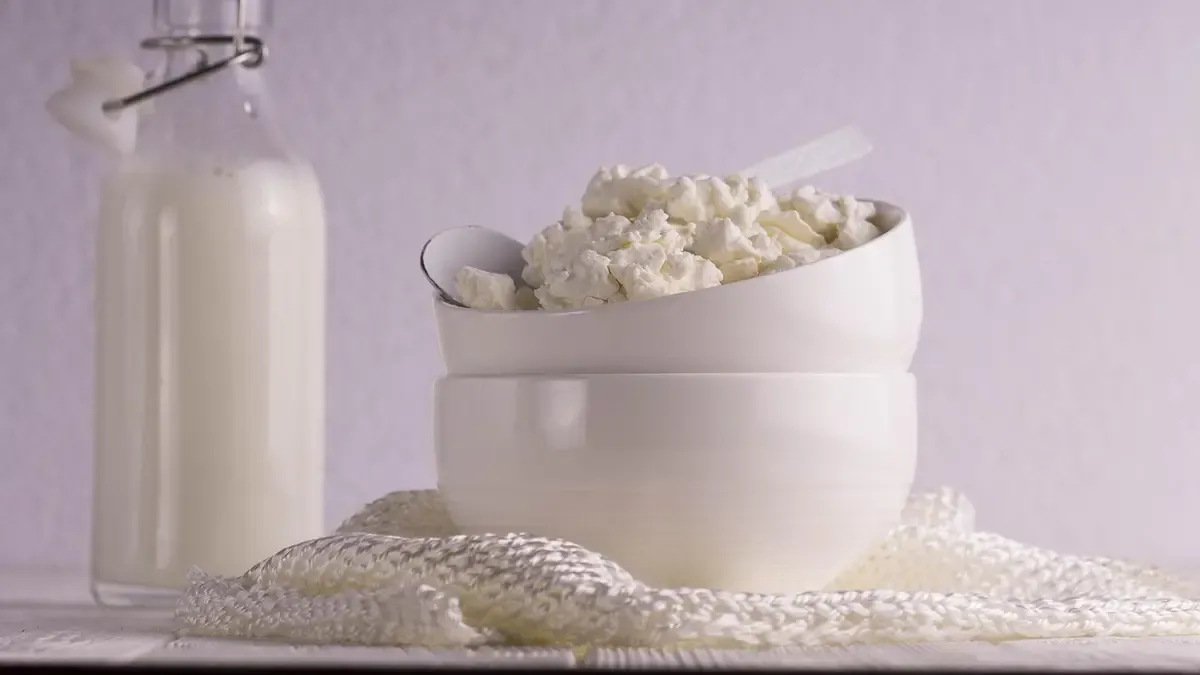
Indian Diet
How to Convince Indian Parents About Whey Protein: Kidney Fears, 'Chemicals' and the Real Evidence
How to convince Indian parents about whey protein: explain it as paneer-water dairy, answer the kidney fear with trial data, and read the label together.
9 min read
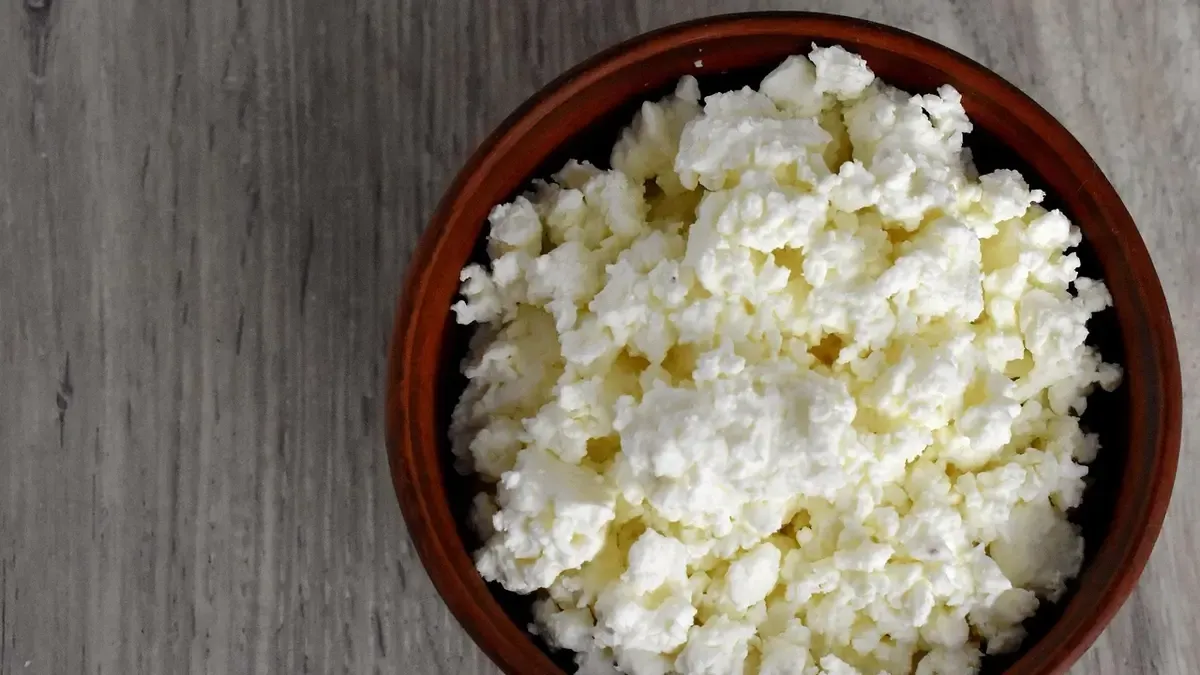
Indian Diet
Curd vs Greek Yogurt vs Hung Curd: Protein Yield and the Home Recipe
Curd vs Greek yogurt protein in India: plain dahi gives about 3-4 g per 100 g. See how straining it into hung curd can triple that, and what studies show.
9 min read